


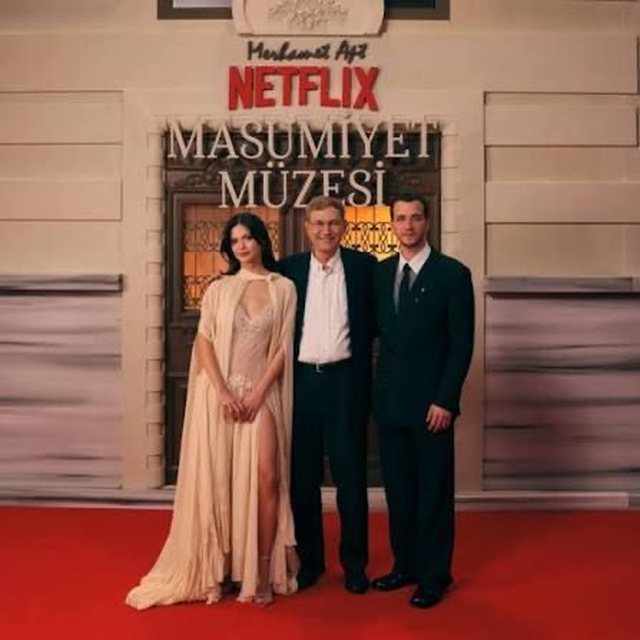
By Mira Kazhani/ The Museum of Innocence on Netflix came to me like a stab in the heart. I don't want to dwell on the reservations about the pace or any bottlenecks in the cinematic realization. The fact that a world masterpiece like The Museum of Innocence by Orhan Pamuk came to the screen was enough. It has happened before that books have been turned into films or series. But why did it leave such an impression on me?
Because even Netflix, often filled with "trash" and floating in a kind of spiritual void, suddenly opened a window to great literature.
When I read The Museum of Innocence, I saw myself as different from others. More informed. More knowledgeable. More fortunate, especially.
I've only been in Istanbul for 12 hours in my life, but I know it from Pamuk, from Elif Shafak, and, of course, from the series Forbidden Love. I've watched Turkish series and I don't deny that they have an extraordinary ability to make you anxious, to tie you tightly to the story that, almost always, ends badly.
The Museum of Innocence is a great love that also ends badly. But Pamuk shines new lights there: for gender equality, for women who do not have to be subjugated or treated as secret passions.
Kemal's love touches you. But Pamuk, more than a romantic and melancholic Kemal, builds a Füsun who awakens in her consciousness as a woman, who will become a movie star and who, in a way, takes revenge on the great love of life in the name of herself. Therein lies the modernity of the novel. Therein lies its courage.
And how wonderful that the world of production is realizing that literary masterpieces always have something new to say. They are timeless.
We are living in a world of technological speed, of the abandonment of romanticism, of the fading of spiritual values that are, in essence, the food of our soul. In a time when characters without depth talk all day and the most beautiful voices are lost in the noise.
As Umberto Eco says, today everyone wants to be heard. Although, unfortunately, we often have to listen to their stupidity.
It was enough for me that the Museum of Innocence could be seen even by those who haven't read the book. If only to have an idea of what we lose every day from good literature, from the beautiful minds of the world that are being replaced by figures who have nothing to say, but talk non-stop.
The Museum of Innocence is a good escape from the void we have fallen into, whether we like it or not.


