


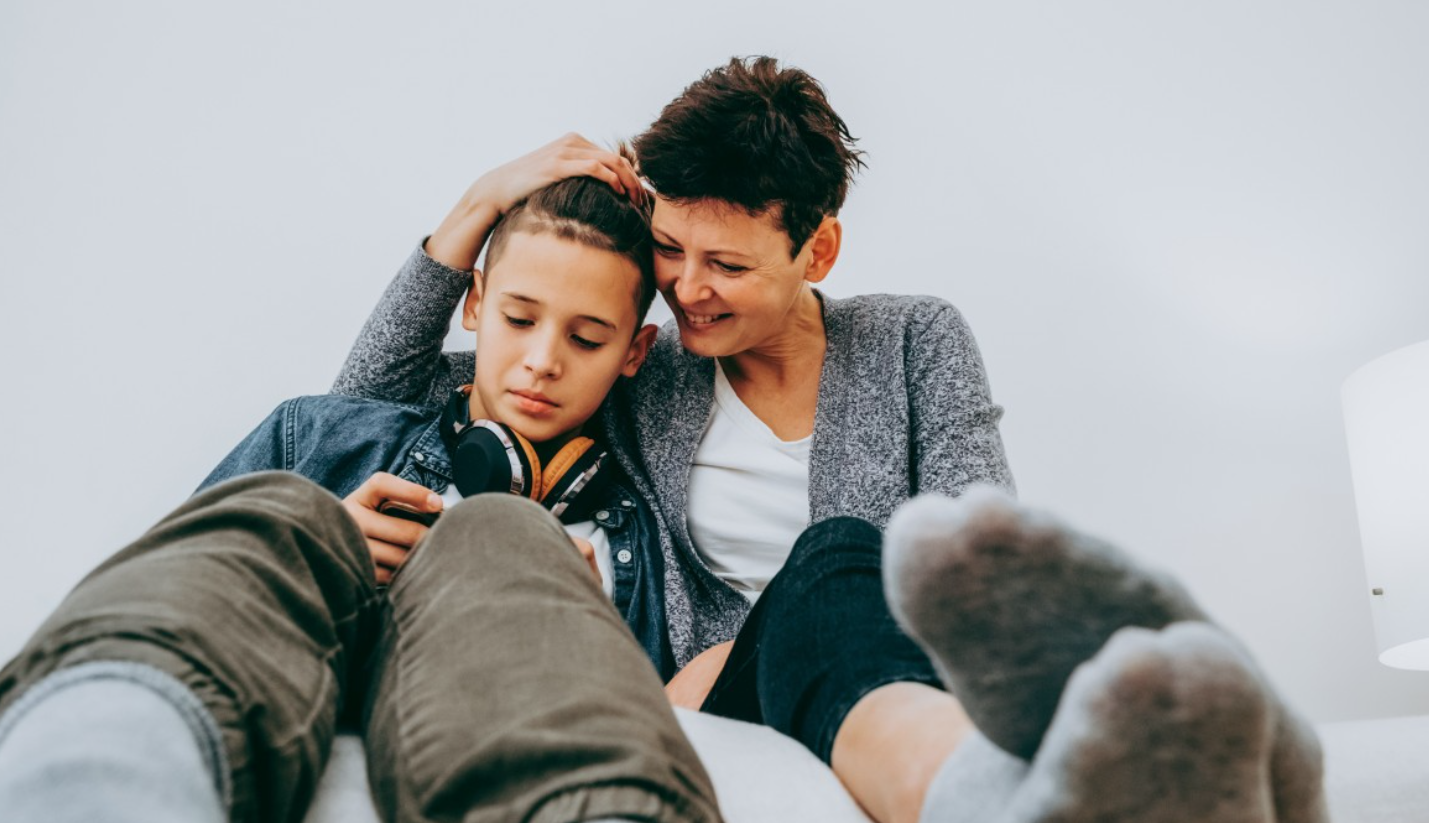
Last month, the Wall Street Journal published an article titled: “The Age of the Tiger Mother is Over. Now Comes the Beta Mother.” The article referred to a recent trend on TikTok, where many mothers are rejecting the intensive and controlled parenting model in every detail, opting for a more relaxed approach.
Counter-response to "helicopter" parenting
“Beta moms” are reacting against a trend that began in the early 1990s. At the time, many parents, especially mothers, became overly involved in their children’s lives, fearing that they might fall behind their peers in an increasingly competitive, knowledge-based economy.
The result was the emergence of so-called "helicopter parents," who constantly interfere in children's lives, especially in education and activities related to personal achievement.
A helicopter parent tries to remove every obstacle a child may face, with the goal of helping them succeed. These parents are usually educated, well-resourced, and have honest intentions: they want to protect their children from hardship and create as many opportunities as possible.
However, despite good intentions, studies show that children of helicopter parents do not necessarily perform better in school. On the contrary, this parenting style is associated with lower academic performance, motivation based more on rewards than on the desire to learn, and a tendency to avoid challenges.
A recent analysis that included over 200 studies also showed that helicopter parenting is linked to higher levels of anxiety in children.
The "beta mom" trend also seems to be a reaction to the fatigue that comes with the invisible work of parenting. Many mothers are rejecting the over-scheduling, packed schedules, and the need to manage every aspect of their children's lives.
Instead, they are choosing more independence for their children and accepting that mess, mistakes, and imperfection are a normal part of life. For them, “good enough” parenting is healthier than constantly striving for perfection.
This approach seems completely logical. But is it really anything new?
In fact, the idea has been around for decades.
Back in the 1960s, psychologist Diana Baumrind identified several different parenting styles.
Authoritarian parents, she said, were very similar to today's helicopter parents: they had very high standards for their children's behavior and exercised great control over them, leaving little room for autonomy.
On the other hand, there were authoritative parents. They were supportive, had reasonable expectations, but intervened less in their children's lives. Above all, they were flexible and gradually became more tolerant as the children grew up.
Baumrind found that the children of these parents were more emotionally balanced, more independent, and better able to integrate into society.
Around the same time, British pediatrician and psychoanalyst Donald Winnicott coined the term “good enough mother.” He observed that children benefit from seeing their parents make mistakes.
According to him, children develop better coping skills when parents are reliable and responsive to their needs, but not perfect. If parents try to never make mistakes, children miss the opportunity to learn how to deal with mistakes and how to recover from them.


