


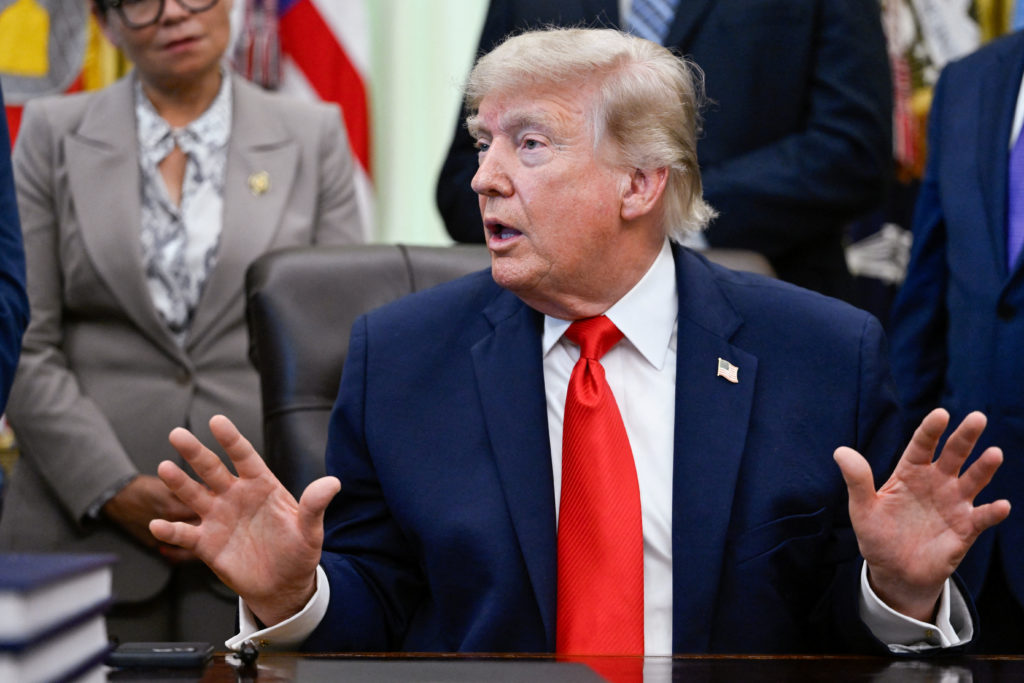
The long-awaited agreement to end the conflict in the Middle East and guarantee the reopening of the Strait of Hormuz, a key strategic point, is expected to be formalized within a day. The news was announced through statements by US President Donald Trump and the Prime Minister of Pakistan, who is serving as a mediator in the process.
However, Tehran has reacted by distancing itself from these reports, with the IRGC rejecting claims of an imminent signing. According to it, Trump's insistence on a specific date is untenable, as the framework of the agreement has not yet been fully finalized. On the other hand, the Iranian Foreign Ministry has maintained a more moderate tone, leaving open the possibility that the signing could be postponed for the coming days.
For security reasons and to avoid logistical complications in such a sensitive process, consideration is being given to having the signing ceremony take place electronically.
This memorandum of understanding does not represent a final solution, but opens a new phase of intensive 60-day negotiations, with the aim of addressing the remaining unresolved issues.
Meanwhile, the developments have sparked strong reactions within Iran. In Mashhad, hardline groups have gathered outside the Foreign Ministry, protesting against Minister Abbas Araghchi and demanding his resignation. These groups oppose any concessions, especially on the issue of the Strait of Hormuz, which they say remains under Tehran's de facto control.
The situation in Israel is also tense. Opposition leader Yair Lapid has sharply criticized Prime Minister Benjamin Netanyahu, calling the government a “complete failure.” According to him, the agreement does not meet Israel’s strategic objectives, as Iran remains functional, its missile program has not been affected, and the nuclear threat continues to be present. He accused Netanyahu of leading the country toward political and strategic dependence on external actors.
In this tense climate, Netanyahu has called an emergency meeting of the security cabinet, which will take place on Sunday evening. With many questions still open about the Iranian nuclear program, the role of regional mediators and the fate of frozen funds, the coming hours are considered crucial for the stability of the region.


