


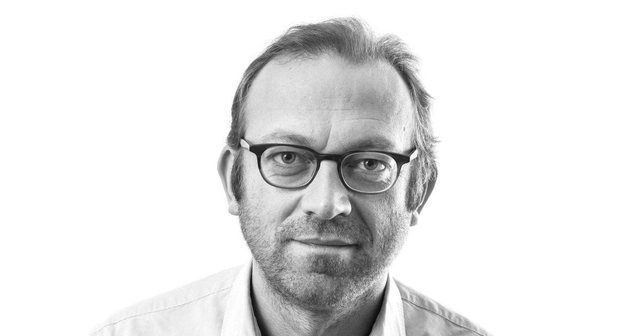
By Enver Robelli/ “It must be admitted that the German railways (Deutsche Bahn) can be nerve-wracking. When the fast ICE train, with which the traveler hopes to reach Berlin, stops somewhere in the wilderness of Lower Saxony, when then the air conditioning does not work and the carriages start to boil under the sun of the Northern German desert, when after nightfall the snoring of fat men echoes through the train and wild animals howl outside, and when in the morning the local villagers come with their tractors to take the passengers to the nearest bus station - this really spoils the mood. To be honest, no one on the train was so naive as to expect a timely arrival in Berlin, but at least the optimists had fantasized that they would escape with a three-hour delay. This shows how disconnected from reality optimism is in general.” - Süddeutsche Zeitung, September 25, 2025
The first chapter of a drama
The fear of the train station traveler: this would be a title for a novel if you travel in Germany by train. On an October day, the Swiss train left Zurich for Munich on time. It was not expected otherwise. But as soon as it arrived in Germany, complications began. The closer we got to the Munich train station, the more we feared that the next train to Ingolstadt would leave without waiting for the passengers from the Zurich-Munich train, who were planning to travel on. A miracle happened: with a few minutes of delay, the train entered platform number 21 in Munich (the conductor once said that we would stop at platform number 7, then said no to platform number 9, then said we were entering platform 21). This was fantastic news, because on platform 22, the train to Ingolstadt was waiting. Relieved, I sat down in my reserved seat.
And I was waiting for the train to leave. It left, but 15 minutes late. As a result, I couldn't catch the next train that would take me from Ingolstadt to Regensburg. The ease with which German conductors inform passengers that "the next train is in an hour" shows not only the miserable state of the German railway system, in fact, the dramas of Deutsche Bahn speak volumes about the state of Germany.
It is obvious to the conductor that the train is delayed, that you have to wait an hour, or two… So I ended up waiting for an hour at the train station in Ingolstadt and to pass the time I tried to drink a not-so-good coffee and eat two muffins, which were more like a lump of dough. The train to Regensburg, according to the plan, was supposed to leave at 11:05. Maybe. Or maybe not. Who knows.
The second chapter of a drama
Albanians are fantastic in their spontaneity adorned with traditional hospitality and kindness. As soon as I announced, through a note on Facebook, that due to the delays of German trains I had to somehow pass the time at the train station in Ingolstadt (about an hour), two Albanians, whom I did not know personally, immediately called. One said that he would come in the afternoon to accompany me and invite me for coffee. The other sent me the link of the hotel where he worked and said that he kindly invited me to visit. The solidarity of Albanians is unprecedented, especially in exile. The circumstances were not such that I met these two good people, but I am publicly thanking Ilir and Nehat.
The journey from Ingolstadt to Regensburg was an experience to remember. Surprisingly, the train left on time, but then the stops increased, along with the delays. Suddenly the train driver stopped the train, opened the door, in one hand he was holding a bag of tobacco, in the other a rolled cigarette. The guy came out to smoke a cigarette on the platform until the operations center announced that he could continue the journey. If this happened in Switzerland, the train driver would be banned from every train station forever. Other countries, other habits.
After throwing away his cigarette, the engine driver returned to the cab and began to walk at a snail's pace. In frustration, he began to chant in Latin... Spiritus sanctus... Suddenly the train resembled a mobile church with Sunday mass. With this chaos in the railway traffic, the engine driver has no choice but to pray to the one up there. "I'm sorry, but there's nothing I can do. I'm the last hole in the horse. I just have to follow orders," said the engine driver. A profile on X (formerly Twitter) collects announcements from German railway personnel. Here was one: "As we all know, Hanau is the town of the Brothers Grimm. So I suspect that the reason we haven't arrived at the main train station yet is that the traffic controller is telling our engine driver fairy tales."
The third chapter of a drama
The return plan from Regensburg, Germany to Zurich was this: departure from Regensburg at 08:46. Arrival in Munich at 10:37. Continuation of the route to Zurich with the 10:54 train. Arrival in Zurich at 14:27.
The bitter truth was this: evening was approaching and I was still on the train. I arrived in Zurich at around 5:30 p.m. Three hours late.
There is no area of life where Germany's collapse is more evident than in public transport. People have become so jaded by the inefficiency of German trains that they have fallen into fatalism and apathy. Train delays are the rule, punctuality the exception, so much so that even when they do happen it seems unbelievable.
Nga Regensburgu treni u nis pothuaj me kohë. Treni tjetër nga Landshuti për në München u nis po ashtu gati me kohë. Po pse duhet ndërruar trenin në Landshut? Sepse janë duke u zhvilluar punime në stacionin e trenit. Zviceranët së pari do ta kishin ndërtuar një hekurudhë të re devijuese, pastaj do kishin nisur punimet në kantier (në baushtellë, siç thuhet në kosovarishten e lashtë).
Sidoqoftë, treni nga Landshuti për në München pas nisjes premtuese, u shndërrua në një mushkë që hedh shkelma, ecte pak, ndalej, ecte pak, ndalej prapë, ndërkohë zemërimi i udhëtarëve sa vinte e shtohej. Në stacionin e Münchenit treni hyri me 20 minuta vonesë. Treni zviceran tashmë ishte nisur.
E pashë vetëm vagonin e fundit duke ikur nga peroni numër 27.
E tash? Duhej pritur edhe dy orë, lidhja tjetër për Zürich ishte në 12:54. Stacioni i trenit në München ka pamje të shëmtuar. Është duke u rindërtuar. Punimet kanë filluar më 2019, thuhet se do të mbarojnë më 2030, disa skeptikë besojnë se punimet nuk do të mbyllen deri më 2038.
Duke u sorollatur nëpër stacion, më ra në sy një pamje: në një mur qëndronte shqiponja gjermane (prej teneqeje), me krahët në formë të muskujve, një simbol force, dhe pranë saj disa kabllo që dilnin nga muri dhe nuk dihej a janë nën tensionin e rrymës apo jo. (Mund ta prekë këtë ndonjë fëmijë i vogël, për shembull).
Gjermania është ekonomia më e madhe në Evropë.
E treta në botë.
Por kur e shikon kaosin në transportin publik, ky vend duket sikur është në rënie të lirë.
Mungesë investimesh në infrastrukturë.
Mungesë personeli.
Mungesë menaxherësh të aftë, bollëk menaxherësh të paaftë.
Dhe politikanë që me dekada kanë ndarë para për asfaltim rrugësh. Lobi i industrisë së automobilave është i madh në Gjermani.
Shpresat se së paku treni i orës 12:54 do të nisej me kohë vdiqën rreth orës 12:30. Treni po vonohej. Nuk është faji i zviceranëve, që të jetë kjo e qartë. Ata e fusin trenin me kohë në Gjermani, por aty fillon apokalipsi hekurudhor. Njëherë u njoftua përmes altoparlantëve të stacionit se treni do vonohej 15 minuta, pastaj 20 minuta, pastaj 30. Qindra njerëz po prisnin në peronin 27, një plak fjalosej me plakën e tij, disa fëmijë ua hanin nervat prindërve, disa të rinj pinin birra dhe bërtisnin. Më të civilizuarit heshtnin. U nisëm me 65 minuta vonesë nga Müncheni.
Gjermania, vendi i inxhinierëve, vendi i prodhimeve që eksportohen në mbarë botën, vendi i zbulimeve, vendi i shkencëtarëve, vendi i industrisë së veturave, vendi i qyteteve të bukura, vendi i trevave mbresëlënëse - të gjitha këto ende ekzistojnë, por një depresion ka përfshirë shoqërinë dhe kjo askund nuk vërehet më shumë se në trena dhe në stacione të trenave.
On the train that was taking me to Zurich, some passengers started smoking - probably in protest against the delay. The German conductor soon took the floor, saying over the loudspeaker: "For those who have lit a cigarette: in all German countries (Germany, Switzerland, Austria) smoking is prohibited on trains. I'm telling you in the dialect of Swiss German: leave this nonsense." A word that also suits the conductor's employer.


