


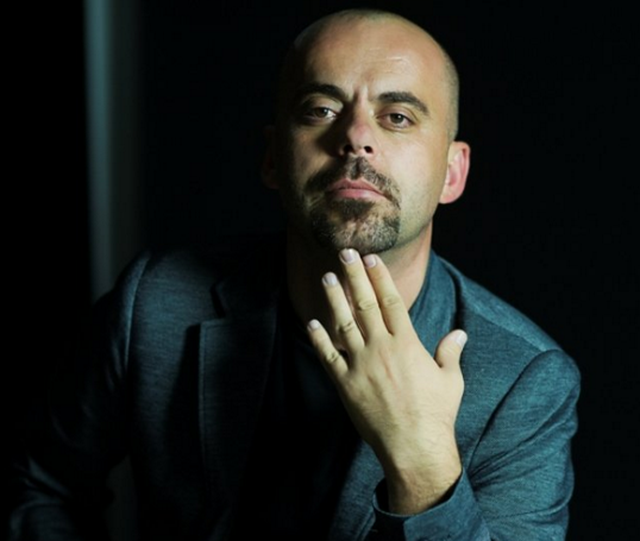
By Albatros Rexhaj/ There is a precise moment when a reality show stops being real. It is not a dramatic moment; it is a decision of the office. Someone, somewhere, decides that the audience must be protected from what the cameras are actually recording. Add a thirty-minute delay, delete the swearing, cut out the intimacy in the middle, kick out the resident who said the forbidden word—and the heart of the program stops. What remains is no longer reality; it is moral theater, dressed in the garb of “reality.”
Here, this scene is repeated every year. A new season of Big Brother VIP begins; someone says something ugly; someone else breaks into a kiss; a video is shared; and within hours the familiar chorus begins:
"Television should educate."
“Protect the children.”
"This is media irresponsibility."
The words sound modern. The instinct is old: the idea that citizens should be treated like minors in need of a television guardian.
Reality TV was never designed to uplift morale. It was designed to expose. Take away people's sleep, privacy, escape routes, and reputations—and look what's left. The format only works when the masks fall and are allowed to stay down. The moment producers start catching the masks in midair, gluing them on, or replacing them with softer versions, the experiment is over. What's left is an advertisement for acceptable behavior.
We've seen this movie before. Under communism, every weather, every song, every movie had to have a "pedagogical task." The goal wasn't culture; it was control. The result wasn't a more moral people; it was a people who stopped believing everything they saw on the screen. When everything is about moral elevation, nothing seems real. Today's calls for "responsibility" are the same old reflex, in new words: distrust of the citizen.
All you have to do is give the regulator, a civic or religious organization, or an offended character the right to veto, and the house changes overnight. The residents no longer speak, but start performing. They speak carefully, as if addressing an invisible jury. The producers pre-emptively clean up any moment that might bring reactions. The drama becomes polite, the conflicts flattened, the emotions controlled. The audience smells the disinfectant from the first second. Viewership drops not because the program is dangerous, but because it becomes boring.
Let's be clear: reality TV doesn't produce racism, misogyny, homophobia, or mental breakdown. It only exposes them. Cleaning up the scene doesn't eliminate these impulses from coffee shops, buses, or family dinners. It simply removes the evidence that they exist.
There is a brutal value in seeing people without moral oversight. I see alliances formed with the speed of fear. I see cruelty hidden within a joke. I see loneliness when there is nowhere to hide. These are lessons that no ministry of culture can write.
And those who want softer television have it in abundance: documentaries with instructive narration, talk shows with agreed-upon viewpoints, dramas with clear morals. No one is forced to watch a format that promises honesty without safety nets. But to weaken this format in the name of “education” means to restore a habit that this region has paid dearly for: the habit of deciding for citizens what they are allowed to know.
Albania and Kosovo are democracies, not kindergartens. Albanians do not need media nannies. They are perfectly capable of anger, mercy, judgment, and discernment—without direction from committees.
There are two paths left, simple and ruthless: either reality TV remains real, or it must drop the word “reality” and admit that it has become theater approved by the authorities. A semi-real reality is the worst formula: it preserves voyeurism, but kills the truth.
A society that has confidence in itself can see its own shadows without trembling. A society that does not, demands that the darkness be edited out. But darkness removed from the screen does not disappear from the street. It simply changes place.
That's why reality TV must stay real—or end the game honestly.


