


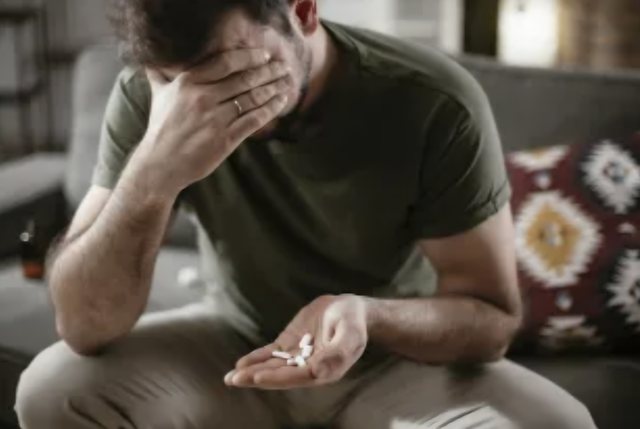
Depression doesn't have a single cause, but studies show that sexual dissatisfaction can be closely linked to increased depressive symptoms. On the other hand, antidepressants themselves, especially SSRIs, are often associated with sexual side effects that affect desire, arousal, and orgasm.
According to scientific research, a large proportion of patients taking antidepressants experience changes in sexual function. In some cases, these effects become the main reason why patients discontinue treatment, even when it is helping to improve mood.
Scientists think this is related to the way these drugs work: by increasing serotonin in the brain, which helps stabilize mood, but at the same time can decrease dopamine, the neurotransmitter associated with sexual desire and pleasure.
However, not all antidepressants have the same effect. Recent studies suggest that some drugs, such as bupropion, may cause fewer sexual problems compared to SSRIs and SNRIs. This makes it important to personalize the choice of treatment according to the patient.
Other research has also shown that some natural supplements, such as pine bark extract, may help improve circulation and reduce these side effects, although more studies are needed for confirmation.
Specialists emphasize that the goal of treating depression should be to improve the overall quality of life, including sexual health. Therefore, any changes in therapy should only be made in consultation with a doctor, seeking the most appropriate solution for each individual.


