


When you think of geographic areas known for their healthy diets, the Mediterranean probably comes to mind. But the Nordic diet is a serious contender for the title of the best diet in the world, as the traditional way of eating in Denmark, Iceland, Finland, Norway, and Sweden offers many of the same health benefits.
“It’s basically the cold-climate cousin of the Mediterranean diet,” says Dawn Jackson Blatner, a Chicago-based registered dietitian and author of “The Superfood Swap.” “It’s very similar, but it includes more foods that grow in colder climates.”
Created in 2004 by a group of nutritionists, scientists and chefs, the so-called “New Nordic Diet” is based on local and seasonal foods, with a strong emphasis on health, taste and environmental sustainability.
“The Nordic diet is not some sudden discovery in healthy eating; it shares many similarities with other health-promoting diets,” says David L. Katz, MD, a preventive medicine specialist and former president of the American College of Lifestyle Medicine. “All good diets are based on real food, mostly plant-based. The Nordic diet is a variation on the same idea. Its benefits translate into vitality and longevity.”
In fact, in a study published in October 2025 in the European Journal of Nutrition, researchers analyzed 47 studies on the health effects of the Nordic diet. People who adhered more closely to this diet had:
22% lower risk of premature death from any cause,
16% lower risk of death from cardiovascular disease,
14% lower risk of death from cancer,
compared to those who followed it less.
The secret to this diet's protective effect lies in its combination of anti-inflammatory and antioxidant-rich foods, high fiber content, and healthy fats. "It's a quality diet that works in all directions," says Katz.
What does the Nordic diet include?
The Nordic diet is primarily plant-based and includes:
fruits, especially berries (blueberries, raspberries, lingonberries), apples and pears;
root vegetables (beets, potatoes, turnips, carrots);
cruciferous vegetables (cabbage, cauliflower);
whole grains (rye, barley, oats);
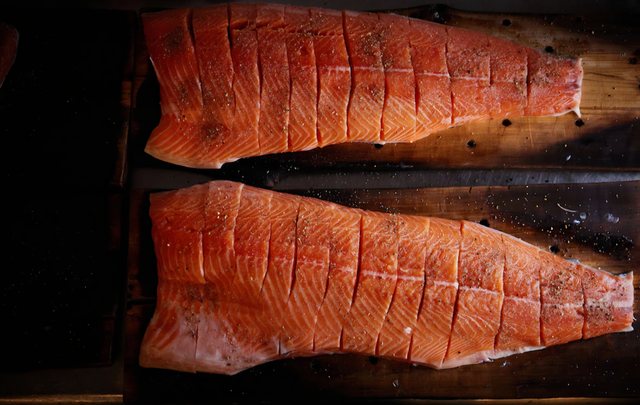
fatty fish (salmon, sardines, mackerel);
legumes (lentils, beans, peas);
nuts and seeds.
Foods are often cooked with spices like parsley, dill, mustard, horseradish, vinegar, and green onions, as well as heart-healthy oils like canola oil.
The diet also includes low-fat dairy products, such as skyr (a protein-rich Icelandic yogurt) and kefir. Eggs and lean meats (such as bison, deer, or reindeer) are consumed in moderation, while highly processed foods and those with added sugar are not completely banned, but are suggested as little as possible.
Like the Mediterranean diet, the Nordic diet does not prohibit specific foods; it is more of a flexible eating style than a strict regimen.
Health benefits
Although it hasn't been studied as extensively as the Mediterranean diet, scientific evidence in favor of the Nordic diet is growing. Studies show that it is associated with a reduced risk of:
heart disease,
stroke,
type 2 diabetes,
as well as with reductions in LDL cholesterol, apolipoprotein B and systolic blood pressure.
A 2017 study in Denmark found that middle-aged people who closely followed the Nordic diet had a significantly lower risk of stroke over 13.5 years of follow-up. A 2024 study showed that strict adherence to the Nordic diet reduced the risk of fatty liver disease by 58%. Another 2025 study found the same reduction in risk for type 2 diabetes.
The diet has also shown benefits in everyday life: a 2022 study found improved sleep quality, while other studies show that older women who follow the Nordic diet have better physical performance and a lower risk of disability in old age.
Although it is not intended as a weight loss diet, many people experience weight loss. Furthermore, as a largely plant-based diet, it is more environmentally friendly, as it relies on local, seasonal foods and has a lower carbon footprint.
Why the Nordic diet works
Anti-inflammatory and antioxidant-rich foods are the main reason.


