

Thanks to scientific developments, blood type will no longer be a problem in kidney transplants

2026-01-23 09:18:04
TiranaPost
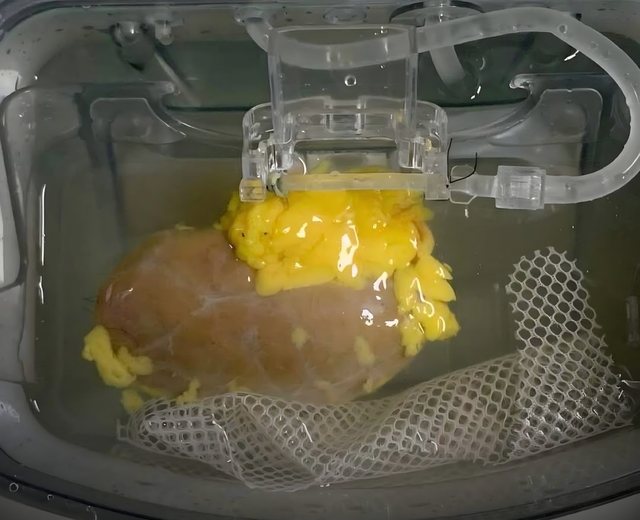
Scientists have managed to create a "universal" kidney for the first time in the world, using enzymes that remove blood group markers.
This innovation could end the often fatal wait for a suitable organ donor.
In a groundbreaking medical trial, researchers from Canada and China used specialized enzymes to remove blood group markers from a donated type A kidney, effectively transforming it into a “universal” type O organ. The modified kidney was transplanted, with the family’s consent, into a brain-dead patient and functioned successfully for several days.
This experiment marks a historic moment, building a bridge between laboratory science and clinical practice. It proves that it is possible to "mask" the biological identity of an organ to avoid immediate rejection by the immune system, which usually occurs due to blood type incompatibility.
The impact of this achievement on the global organ shortage is extraordinary.
Currently, 11 people in the US die every day waiting for a kidney transplant. People with blood type O face the longest waits, as they can only receive kidneys from donors of the same type. Although the study found that blood type markers began to reappear after the third day, the immune response was significantly lower, opening a new path for the future.
Perfecting this technology could eliminate the need for costly immunosuppressive therapy and months of preparation, turning every donated kidney into a potential candidate for every patient on the waiting list.


