


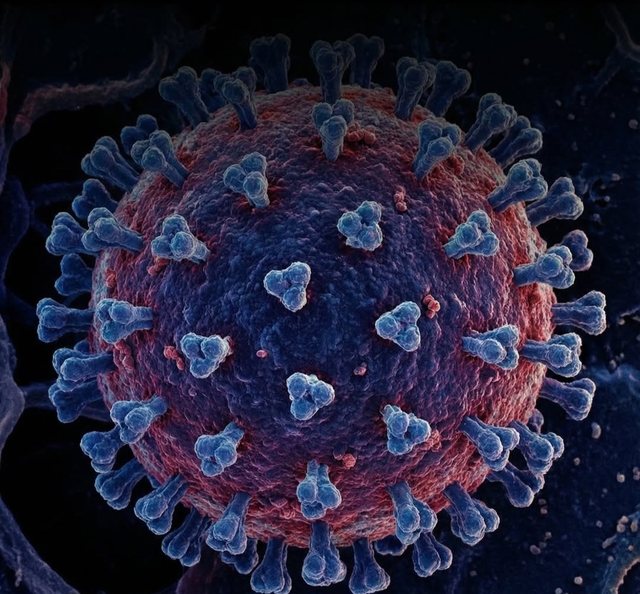
For decades, the main obstacle to curing HIV has been the virus's ability to insert its genetic code into human cells and remain "dormant," thus hiding from both the immune system and common drugs.
However, researchers have discovered a way to exploit an internal immune sensor called CARD8. Normally, HIV manages to evade this sensor by delaying the activation of its enzymes until it has left the host cell. But new studies show that a group of drugs called targeted activators of cell death (TACK) can force these enzymes to activate earlier, while the virus is still inside the cell.
This essentially "raises the alarm", causing the infected cell to go into pyroptosis, a form of programmed cell self-destruction, before it has a chance to release new copies of the virus into the bloodstream.
Early clinical trials have shown promising results. A recent human study showed a 20% to 50% reduction in latent viral reservoirs after just four months of treatment.
Although this does not yet constitute a complete cure, this result shows that gradually emptying these reservoirs could lead to what is called a "functional cure", where patients can keep the virus under control without the need for lifelong medication.
Beyond a potential cure, these TACK molecules could significantly improve patients' long-term health, reducing chronic inflammation associated with heart disease and some types of cancer in people living with HIV.
Meanwhile, major pharmaceutical companies are accelerating testing of even more potent molecules, marking an important step in the global effort to end the HIV epidemic.


