

Mitochondria: the new longevity trend or a biological truth we've neglected?

2026-02-21 12:18:16
TiranaPost
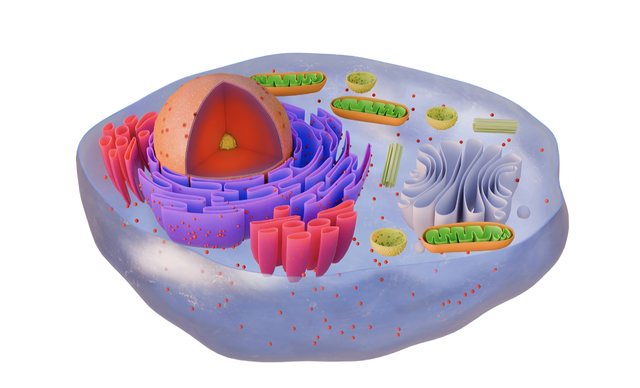
By Dr Kleida Mati/ Recently, mitochondria have been touted as the key to longevity. Politicians, book authors, influencers, supplement companies: everyone is talking about “mitochondrial health” as a new formula for living longer.
The idea is tempting: if we improve the function of a small structure inside a cell, we can extend life. If we fix an engine, a car will run longer.
But isn't this the next temptation to reduce the complexity of life to a single element?
Mitochondria are important. Extremely important. They produce ATP, participate in immunity, in signaling, in the cell's decision to live or die. As we age, their function declines. The production of reactive molecules increases. The cleaning and repair systems weaken.
All of this is true. But life is not a single structure.
Mitochondria are in the spotlight today, but before we had many other "mitochondria": DNA as the "secret of life"; Telomeres as the biological clock; Antioxidants as the universal salvation; Inflammation as the source of every disease; Microbiome as the internal universe; Insulin as the absolute enemy... and many similar ones like these.
Our body's biology doesn't work with single protagonists.
If we could enter a cell, we would see it as a living community, we would immediately understand that the mitochondria never work alone. It constantly negotiates with the nucleus, which holds the genetic archive, exchanges signals with the endoplasmic reticulum, which organizes the production and transport of proteins, relies on lysosomes to clean up cellular waste, floats in the cytoplasm, where every molecule is a message in motion. It responds to hormones coming from afar, to cytokines of the immune system, to the microenvironment that surrounds it: oxygen, nutrients, inflammation, etc.
Nothing exists in isolation. Every function is a response to another.
Mitochondria are also being blamed for cancer. But cancer does not break out because a single structure “no longer works.” It arises when the networks that keep the cell in balance, metabolic, genetic, immune, hormonal, lose their sync. The tumor cell arises in a system that has lost its ability to coordinate.
Therefore, when we try to proclaim mitochondria as the “source of aging” and, ultimately, of everything “bad” and “good” in our body, we risk repeating the same conceptual error: looking for a single culprit in a complex biological universe, the balance of which depends on the harmony of all processes.
Simplifying concepts like the good and bad of science
Shkenca moderne u ndërtua mbi thjeshtimin e koncepteve, duke ndarë kompleksitetin në pjesë të vogla për ta kuptuar më mirë. Falë kësaj metode, ne kuptuam ADN-në, enzimat, metabolizmin.
Por ka një kufi.
Kur përpiqemi t’i atribuojmë një fenomeni kaq gjithëpërfshirës si plakja një strukture të vetme, ne kalojmë nga analiza në thjeshtëzim të tepruar. Plakja është një proces sistemik. Një ndërveprim midis energjisë, inflamacionit, riparimit, gjenetikës, mjedisit dhe kohës.
Të mendosh se zgjidhja do të vijë nga “optimizimi” i një organeli të vetëm duket, në rastin më të mirë, naivitet. Në rastin më të keq, një shpërfillje e forcës së bashkërenduar të natyrës.
Kthimi te këshillat “old school”
Kur flasim për mitokondritë, shpesh duket sikur po flasim për një komponent teknik që kërkon një zgjidhje po aq teknike. Por në të vërtetë, çdo gjë që realisht dimë se i ndihmon mitokondritë të kryejnë funksionet e tyre “më mirë” është, çuditërisht, ajo që mjekësia ka rekomanduar prej dekadash për një jetë të shëndetshme.
Mitokondritë janë pjesë e një ekosistemi të brendshëm. Ato komunikojnë me bërthamën përmes sinjaleve biokimike, ndikohen nga hormonet, reagojnë ndaj inflamacionit dhe përshtaten vazhdimisht ndaj ushqimit dhe aktivitetit fizik.
Prandaj, kur psh. bëjmë aktivitet fizik, nuk “forcojmë mitokondritë” në mënyrë të izoluar. Ne ndryshojmë gjithë arkitekturën metabolike: përmirësojmë sensitivitetin ndaj insulinës, rregullojmë boshtin hormonal, reduktojmë inflamacionin sistemik, përmirësojmë funksionin kardiovaskular. Mitokondrit përfitojnë pa dyshim, por bashkë me to përfiton gjithë sistemi.
Kur flemë mirë, nuk po kryejmë një ritual magjik për mitokondritë. Por rregullojmë aksin neuroendokrin, stabilizojmë metabolizmin, lejojmë proceset e riparimit qelizor. Mitokondritë janë pjesë e këtij procesi…
Edhe dieta e balancuar, e pasur me fibra, yndyrna dhe proteina të mjaftueshme, nuk është “protokoll mitokondrial”. Është dieta klasike që i shërben shëndetit metabolik
Sa herë që kërkojmë ndërhyrje të reja spektakolare për të optimizuar një strukturë të vetme, përfundojmë duke u kthyer te rekomandimet e vjetra dhe modeste:
Lëviz.
Ha shëndetshëm.
Fli mjaftueshëm.
Menaxho stresin.
2 fjalë për suplementet çudibërëse
Në këtë klimë entuziazmi rreth mitokondrive, lind pothuajse natyrshëm një premtimi alla influencer: nëse ekziston një molekulë kyçe në metabolizëm (qoftë N.A.D.+ apo coenzyma Q10, urolithin A apo ndonjë antioksidant i fuqishëm) atëherë mjafton ta rrisim atë dhe procesi i plakjes do të ngadalësohet. (gjeniale për të marrë clicks, views & followers)
But let's get back to that boring science that doesn't sell on social media. It often starts with promising results in animals, where the systems are more controlled, more homogeneous, more predictable. When we move to humans, the results become more ambiguous. The benefits are often modest, inconsistent, or indistinguishable. In fact, in some cases, interventions that theoretically should help have produced the opposite results.
Because the human body is a complex system of balances, where any intervention affects many links simultaneously. A molecule that increases one metabolic pathway can create tension in another. An antioxidant that neutralizes one process can interfere with a necessary biological signal. Human biology is not an equation with one variable. And whenever we try to treat it as such, we discover that the simplicity we seek is more psychological than scientific.
*Dr. Kleida Mati – Oncologist


