

A special protein found in bacteria can make cancer cells self-destruct

2025-10-15 12:54:21
TiranaPost
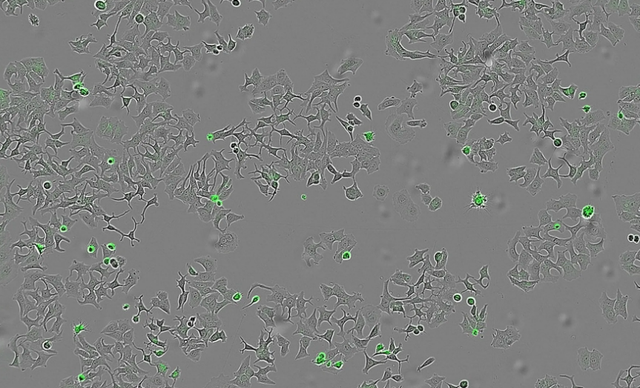
A special protein found in bacteria can cause cancer cells to self-destruct, according to an international team of scientists led by Spanish researchers.
The study, published in the journal Cell Death Discovery, shows that the HapA protein, secreted by the bacterium Vibrio cholerae (the bacterium that causes cholera), has the ability to activate a suicide mechanism in breast, colon and pancreatic cancer cells.
How does HapA work?
This protein specifically acts on two very important receptors found on the surface of tumor cells, PAR-1 and PAR-2, which are usually associated with tumor growth, inflammation, and blood clotting.
HapA “cuts” these receptors at different points than those cut by human enzymes, triggering a rapid process that leads to programmed cancer cell death (apoptosis).
Why is it an important discovery?
According to researcher Antonio Hurtado from the University of Salamanca:
“This study demonstrates the potential of bacterial proteins as therapeutic tools against tumors.”
The results suggest that by studying microbes, unexpected molecular mechanisms with potential use in cancer treatment can be discovered.
Furthermore, HapA’s unique way of activating receptors could help control cellular signaling without causing serious side effects.


