


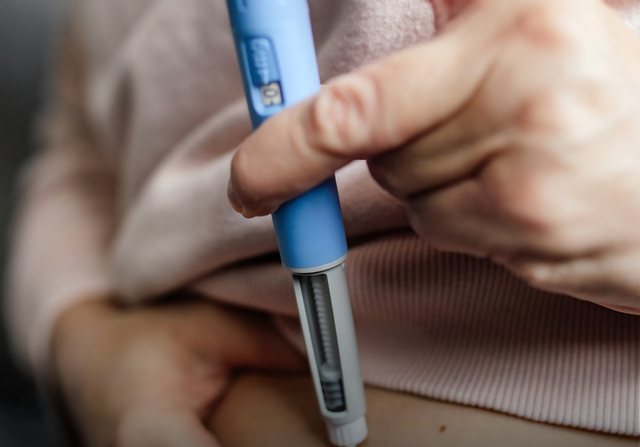
The World Health Organization on Monday published new guidelines for the use of GLP-1 drugs in adults with obesity, recommending their long-term and continuous use when there is a clinical reason for it.
The guideline includes drugs such as semaglutide (Wegovy), liraglutide (Saxenda), and tirzepatide (Zepbound).
The recommendations, published in the medical journal JAMA, underline that these drugs are not the only solution to the global obesity crisis. Obesity is a chronic disease that requires lifelong care and the most effective treatment is achieved through long-term use of GLP-1 alongside a structured program that includes healthy nutrition, regular physical activity and ongoing support to lose and maintain weight, according to the WHO.
The guidance also highlights the major challenges associated with these drugs: high cost, limited supply and uneven access in different countries. WHO has called on countries to create fair and affordable systems so that treatment is offered first to patients with the greatest medical need.
The document emphasizes that these drugs should be selected and used in the appropriate clinical context.
Dr. Arrone explained that GLP-1 drugs help many people follow nutritional recommendations more easily because they reduce the feeling of hunger.
Arrone, who has led numerous studies on GLP-1 and anti-obesity therapies, also emphasized the importance of physical activity to protect muscle mass during weight loss, as muscle loss is common when people eat too little and lose weight quickly.
"Drugs work best when they go hand in hand with changes in diet and daily behavior," he said.
"When hunger pangs subside, people can finally follow the healthy steps they have been recommended for years."
More than 1 billion people in the world currently live with obesity and this figure is expected to reach 2 billion by 2030.
The WHO said future guidelines will focus on identifying and prioritizing individuals with the greatest needs.


