


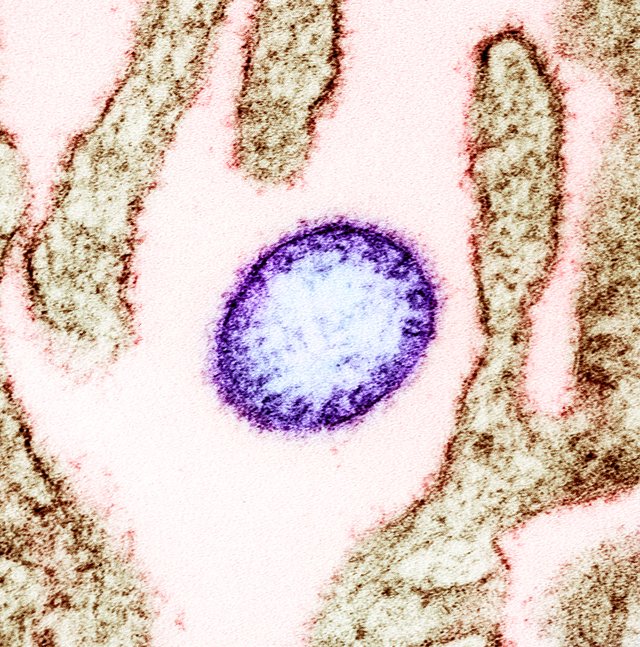
An outbreak of the Nipah virus in West Bengal, India, has raised concerns in China and several Southeast Asian countries, which are tightening health checks at airports ahead of the Lunar New Year holiday.
Since December 2025, two confirmed cases have been reported, both healthcare workers, who are being treated in hospital. Of the 196 people who had contact with them, all tested negative for the virus and were asymptomatic. The Ministry of Health says the situation is being monitored continuously and all necessary measures are in place.
What is Nipah virus?
Nipah virus is a rare viral infection that is usually transmitted from animals, mainly fruit flies, to humans. According to the World Health Organization (WHO), it can be asymptomatic in some cases, but is often very dangerous, with a mortality rate ranging from 40% to 75%, depending on the capacity of the local health system.
Although it can be transmitted from person to person, it is not easily transmitted. There are currently candidate vaccines in development, but none have been approved yet.
History and spread
Nipah virus was first identified in Malaysia in 1999. Since then, small outbreaks have occurred almost annually, mainly in Bangladesh, with sporadic cases in India. According to the Coalition for Epidemic Preparedness Innovations (CEPI), as of December, 750 cases have been recorded globally, of which 415 have resulted in deaths.
How does it spread?
Initially, Nipah was transmitted mainly through contact with sick pigs or contaminated animal tissues. Today, the main source is the fruit fly, the natural vector of the virus. Infection can occur through consumption of fruit or fruit products, such as fresh palm juice, contaminated with the urine or saliva of infected flies. Human-to-human transmission has occurred mainly through close contact with sick patients.
Symptoms
Initial symptoms—fever, headache, and muscle aches—are nonspecific and can be confused with other illnesses. Severe cases can progress to acute encephalitis (inflammation of the brain), severe respiratory problems, seizures, and coma. Many patients recover completely, but some experience long-term neurological problems.
Public health risks
Although Nipah is dangerous and has a high mortality rate, scientists say it has shown no signs of spreading more easily between people or globally. However, the WHO considers it a significant public health threat in countries where outbreaks occur. Control measures often include the mass culling of susceptible animals, such as pigs.
Vaccines and treatment
There are currently no approved vaccines or treatments for Nipah virus. However, several vaccine candidates are in testing. A vaccine, developed by Oxford University scientists who helped create the COVID-19 vaccine, began phase II testing in Bangladesh in December, in collaboration with the International Centre for Research on Diarrhoeal Diseases and with financial support from CEPI.
Despite the high mortality rate, experts emphasize that the risk of a global pandemic remains low. Screening at airports can help, but its effectiveness is limited due to the virus's long incubation period.


