


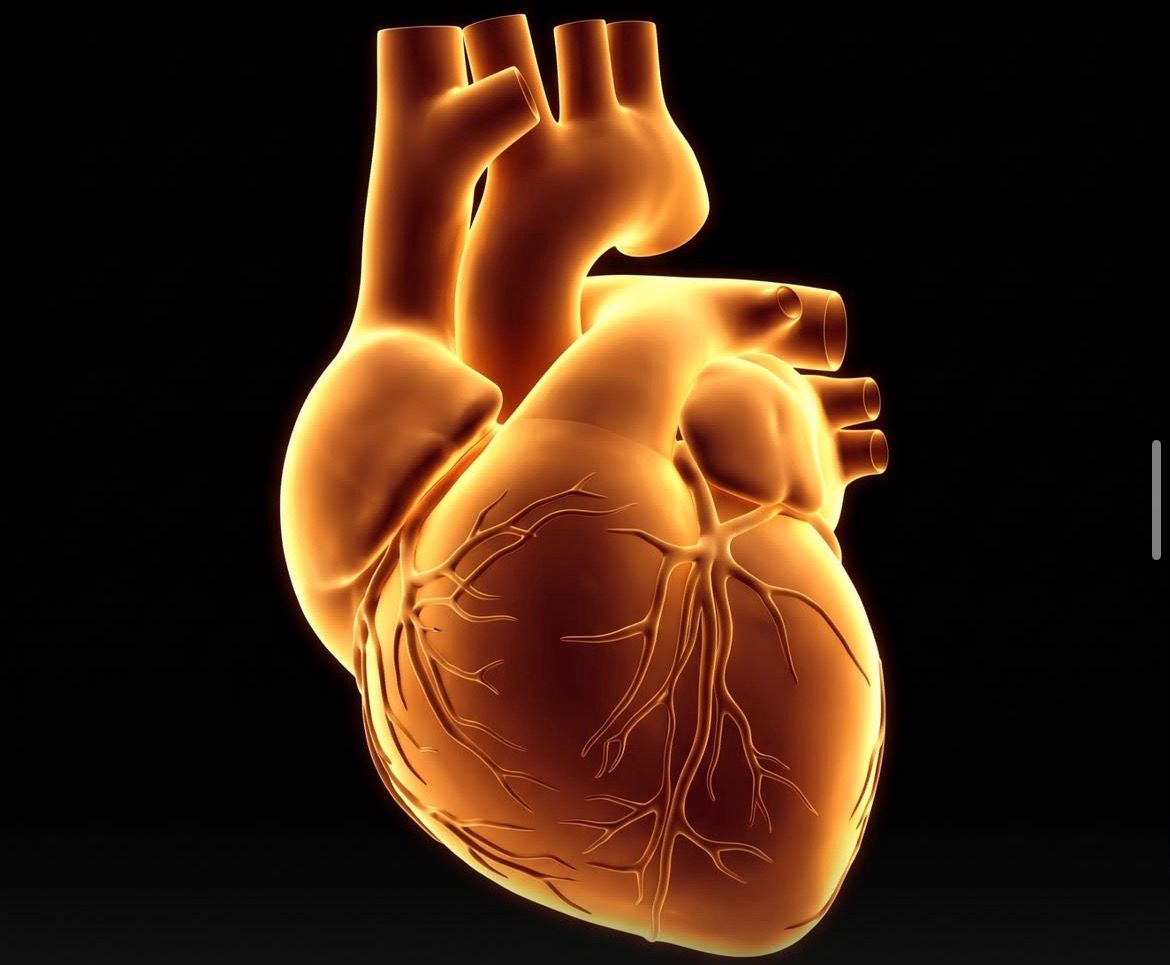
Gratitude isn't just a pleasant feeling, it can physically affect how the brain and heart function.
According to a pioneering functional magnetic resonance imaging (fMRI) study conducted by researchers at the University of California, Berkeley, expressing gratitude, such as writing thank-you letters, can sustainably change neural activity in the brain.
Researchers found that people who regularly practiced gratitude showed higher activity in the medial prefrontal cortex, an area of the brain associated with learning, empathy, and decision-making.
Most interestingly, these positive neurological changes continued to be evident three months after the practice had ended. This suggests that regular gratitude exercises may help the brain become more resilient to anxiety and depression over time.
While the brain processes these long-term changes, the heart plays an important role in spreading positive emotional states. According to research from the HeartMath Institute, feelings of appreciation and gratitude bring the heart rate into a state called “physiological coherence.”
Unlike the erratic rhythms caused by daily stress, this state creates a more calm and harmonious pattern, which is directly related to the nervous system. Since the heart sends more neurological and biochemical signals to the brain than it receives from it, this harmonization between the heart and the brain can improve cognitive performance, reduce emotional reactions, and increase mental clarity.


