

What was the biggest problem of children in 2025, revealed by therapists

2026-03-26 15:02:44
TiranaPost
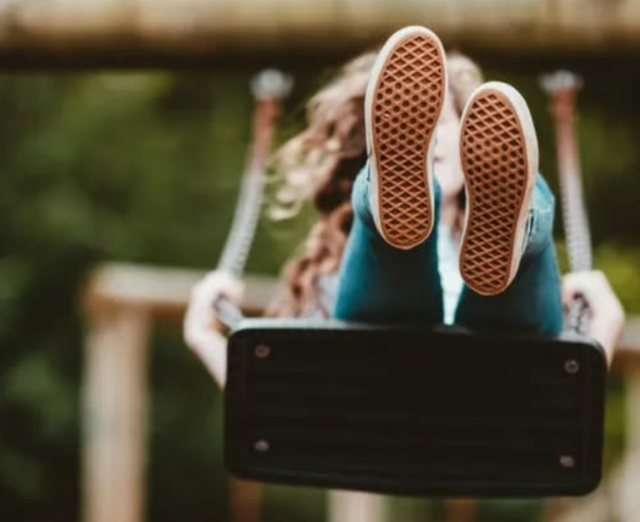
Children are feeling increasingly lonely and unheard, according to therapists, who say this was one of the main problems children expressed in therapy during 2025.
Psychologist Mandi Simons points out that more and more children and young people describe "a feeling of loneliness", but this is not always related to being alone.
“Many of them are surrounded by people, but they still feel unheard and misunderstood,” she said.
Therapist Debbie Keenan also notices an increase in cases where children not only feel isolated, but also ignored.
One in three young people say they don't feel part of their community, while young people in Britain report more feelings of loneliness than any other age group. Around 70% of 18 to 24 year olds say they feel lonely at least sometimes.
What is causing this loneliness?
According to experts, this rarely stems from a lack of parental care. More often, it is related to modern family life, where parents are busy with many commitments and conversations with children are often quick or immediately move on to "solutions," without really listening to them.
Social networks also have an impact, creating pressure and comparisons, while reducing real connections between people.
Another factor is the lack of social spaces. Between 2010 and 2023, over 1,200 youth centres closed in England and Wales, while funding for youth services has been significantly reduced. In parallel, mental health problems among young people have increased from 19% to 26% in a decade.
Studies show that children today have much less freedom to play outside or gather with friends compared to previous generations.
“Regular, meaningful connections are key to reducing isolation. Without them, children lose the foundations of relationships, trust, and a sense of belonging,” Keenan explains.
When adults are busy or distracted, children can feel left out. Over time, this creates the feeling that “my voice doesn’t matter,” making them more quiet and withdrawn.
How to help children who feel lonely
Experts advise that parents not only focus on the problem, but also observe the behavior: have they become more withdrawn? Do they spend more time alone?
It's important to create time to be emotionally present. Put aside distractions and give your child your full attention. Create special quality moments together.
Equally important is active listening, without interruption, paying full attention and reflecting on what the child is saying.
“What children need most is to feel truly heard,” Simons points out. This means slowing down conversations, showing genuine interest, and acknowledging their feelings before offering solutions.
Even simple family moments, like playing games together or having dinner without phones, can help children feel valued and connected.
Instead of seeing it as criticism, parents should see this as an opportunity to get closer to their children. Small changes in the way we listen can make a big difference.
It is also recommended to organize social activities for children and support them in creating new connections, for example through extracurricular activities.
Finally, experts offer a message for parents: don't be hard on yourself. The world is changing rapidly, and parenting isn't easy. With connection, communication, understanding, and genuine listening, children can gain more self-confidence, feel less alone, and believe that their voice matters.


