

Influencers or mentors, how to help young people build their lives

2026-05-02 17:40:34
Manjola Lloja Bushati
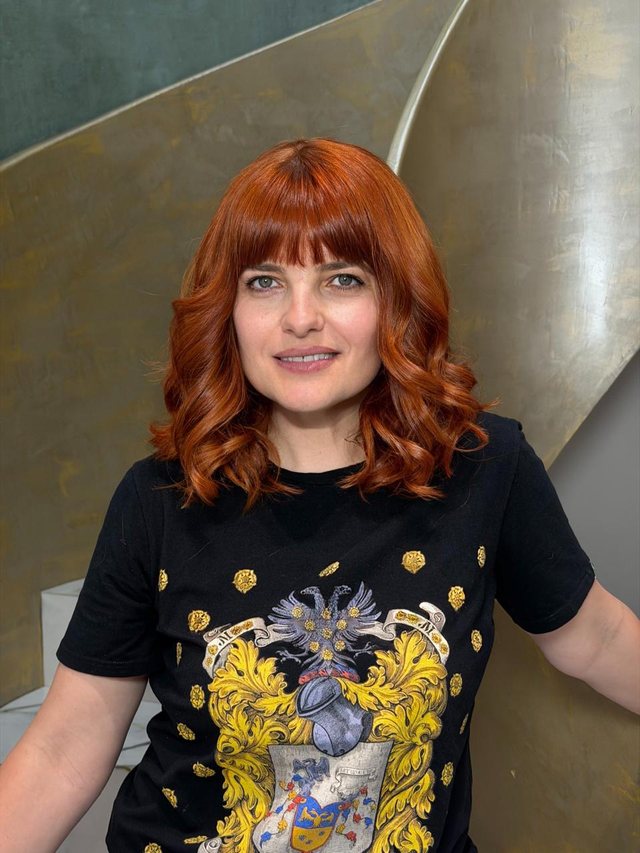
A few days ago, I posted a story where I said that behind a well-groomed look with quality products, lies a life full of responsibility. Then, another, where I shared the opinion that more important than using quality products is having the opportunity to provide them yourself, with your own work.
I don't make these posts randomly. I always observe the reactions.
In a TV studio, I argued with a girl in her twenties who thought it was better to follow an influencer who “pleases your eye” with the beautiful life she portrays, than to read or listen to something that makes you think. Meanwhile, in another studio, I was introduced as an influencer.(!)
It took me a few days to process all of this. Especially considering that most of my followers are 18–44 years old, and their reactions are often very different from those of my peers in more direct conversations.
I often sense in them a kind of steppeness in the face of the word “responsibility”. In fact, any mention of it easily translates as a complaint. If it shows reality, it seems to take the “lights” off the online world. Connecting with reality becomes difficult, perhaps because the models that are consumed every day are filled with products, filters and edits.
What I find most significant is that they know that these models are not real, and yet, they choose to be influenced by them.
Social media has become more of a space for escape than for reflection. It's easier to consume a beautiful image than to confront a thought that challenges you. It's more comfortable to admire a curated life than to think about the path it takes to build your own.
And in these dilemmas, we must guide young people to choose.
Undoubtedly, content that pleases the eye gives you a quick sensation, while that which makes you think requires more time, concentration, and sometimes even confrontation with yourself.
I continue to believe that the second is more important.
The role of adults in the public sphere is not simply to influence, but to serve as mentors. Not to provide unattainable role models, but to provide guidance, context, and real-world examples of the path that is built over time. Even studies in Developmental Psychology show that young people benefit more from figures who help them understand the process and not just the outcome. Perhaps we need less “influencers” and more people who don’t promise you a perfect life, but help you build one of your own.
Even if this path is not always the easiest to accept.
Ps: a week ago I didn't start writing for my #simpletruths column in Tirana Post.
This was also part of my observations.
Few people asked me why not.
Well...I'm not an influencer. I'm a mentor. :)


