

Formula 1 in 2026 is transforming: From technical changes to global partnerships, what is changing?

2026-02-25 18:34:16
TiranaPost
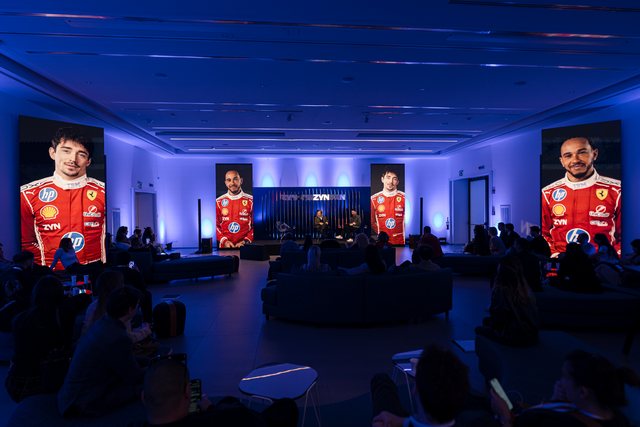
The 2026 Formula 1 season marks the beginning of a new, technological, strategic and cultural era that is expected to change the way racing is done, how cars are built and how this sport is positioned on the global stage.
For fans, this is the long-awaited moment, where the adrenaline of this transformation is felt in every online publication, in every presentation to the media, and in the public interviews that the teams have conducted in recent weeks.
The most significant transformation comes from the new technical regulations. From this season, the cars' power is split equally between the internal combustion engine and the electric system – a step further towards technology and away from the traditional reliance on combustion. This means that energy management becomes as crucial as the ability to attack under braking or defend the ideal line in a corner. Active aerodynamics replace the traditional DRS system, while the use of sustainable fuels orients the sport towards a more modern and responsible model. The cars are lighter, more efficient and more complex, turning every race into a duel between engineering and the driver's instinct.
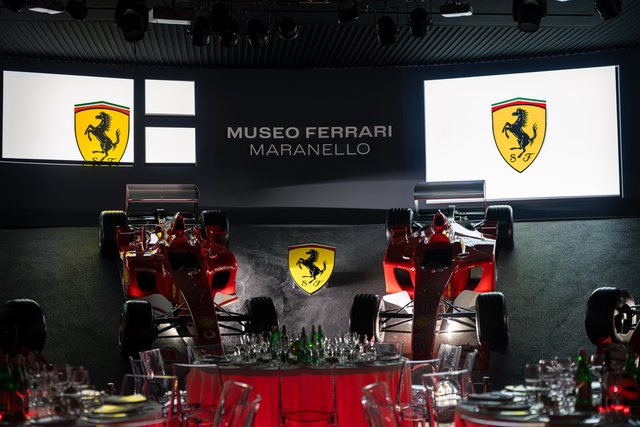
Against this backdrop of transformation, attention naturally returns to the historic names. Scuderia Ferrari enters the 2026 season with clear ambitions to return to the top with the new car, which has just been officially presented. Its presentation was accompanied by particular emphasis on the new aerodynamics and the philosophy adapted to the 2026 regulations, underlining the focus on efficiency and energy management.
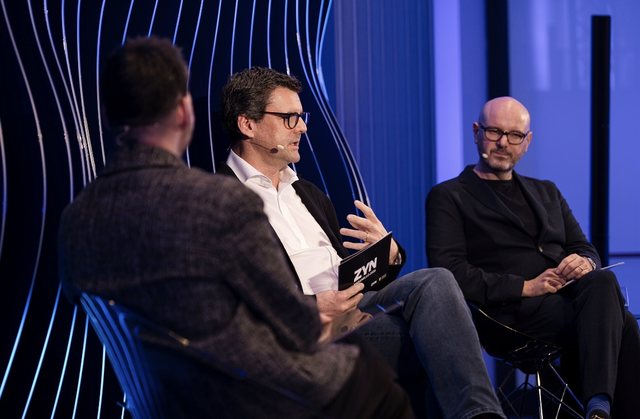
But beyond the sporting aspect, this year also marks a strategic partnership with Philip Morris International, where the ZYN brand will be part of Scuderia Ferrari HP's appearances in selected races during the season. According to official statements, this collaboration highlights the ambition for innovation that characterizes both brands. On the other hand, Ferrari has defined the agreement as the continuation of a collaboration of over fifty years, built on scientific development, responsibility and a long-term vision oriented towards continuous improvement.
Meanwhile, the on-track rivalries promise a challenging season. McLaren enters with the confidence of a team that has found its rhythm in recent years and aims for continuity in the new technical era. Mercedes-AMG Petronas begins a new chapter with a focus on the new generation and adaptation to the new regulations, seeking a return to the title fight. Red Bull Racing, which has dominated recent seasons, faces the challenge of maintaining its advantage in a completely new technical terrain. Meanwhile, Aston Martin continues to invest to position itself as a serious contender. The entry of Audi and Cadillac signals the power of this global platform to unite the best of the automotive industry.
However, Formula 1 today is not just a sport. It is culture, design, technology and experience. From the paddock to exclusive events, from collaborations with international brands to activations in the host cities of the races, F1 is closer to the public than ever before. The 2026 season is expected to deepen this dimension: more stories to tell, more visual innovation and an even greater integration between sporting performance and the global identity of the brands that support it.
As the starting lights go out for the first time this early March, what is expected is a more technological, more intelligent and potentially more unpredictable season. A season where speed is not measured only in kilometers per hour, but in the ability to adapt and evolve. And that is precisely what makes the start of this year in Formula 1 so important: it is a return to the track, but also a giant step towards the future.


