

What will the world be like in 5 years with Artificial Intelligence?

2025-02-01 12:45:23
TiranaPost
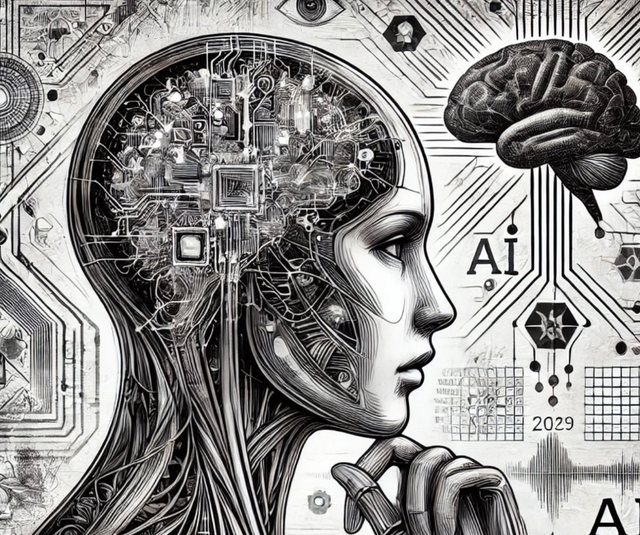
Artificial Intelligence (AI) is revolutionizing every aspect of our lives. From education to healthcare, from economics to entertainment, this technology is becoming an integral part of our daily lives. Within the next five years, its impact will be even greater, profoundly affecting the way we live, work and interact with each other. So what are some of the key transformations expected by 2029?
Education: From traditional learning to personalized intelligence
In the world of education, AI is reshaping the way students learn. Instead of a uniform teaching method, technology will enable a personalized experience for each student. AI algorithms will identify individual needs and weaknesses of students, providing materials and pace tailored to each. The professor will not disappear, but will have the role of a supervisor and mentor who will help interpret and reinforce the knowledge gained from automated systems.
Many schools are already using AI-based platforms that help students understand concepts better through simulations and in-depth analysis. Within the next five years, it is expected that schools will use more virtual teachers and follow a hybrid learning model.
Healthcare: More accurate diagnoses and personalized treatments
In the healthcare field, AI will play a crucial role in improving diagnoses and treatments. Within five years, the technology will be able to analyze medical data instantly and suggest personalized treatments for patients. This development will help reduce medical errors and improve the efficiency of healthcare services.
Furthermore, the use of AI in pharmaceutical research will accelerate the process of developing new drugs. Through advanced data analysis, it will be easier to find effective treatments for various diseases, significantly reducing the time and costs of their development.
Economy and labor market: Reshaping the way we work
The economy will undergo a radical transformation, as many processes will be automated. The financial industry is already using AI algorithms to optimize investments and fight financial fraud. At the same time, AI systems will help businesses analyze consumer behavior and offer personalized products and services.
However, the automation of work will lead to the loss of some jobs, especially in sectors such as banking, insurance and administrative services. On the other hand, new professions will be created that require skills in the management and development of AI technology.
Sipas një raporti të fundit, deri në vitin 2029, rreth 3.8 milionë vende pune në Itali pritet të zëvendësohen nga inteligjenca artificiale, ndërkohë që do të krijohen mundësi të reja në sektorë të ndryshëm si inxhinieria e të dhënave dhe etika e IA.
Automjetet dhe transporti: Drejtimi autonom
Në pesë vitet e ardhshme, makinat autonome do të jenë më të përhapura. Sistemet e IA-së do të mund të analizojnë kushtet e trafikut dhe të marrin vendime në kohë reale për të reduktuar aksidentet. Me përmirësimin e sensorëve dhe algoritmeve të vetë-mësimit, këto automjete do të jenë në gjendje të lëvizin me siguri edhe në rrugë të ndërlikuara.
Përveç makinave, transporti publik do të përfitojë gjithashtu nga IA. Rrjetet e transportit do të menaxhohen më mirë falë analizës së të dhënave të mëdha, duke optimizuar oraret dhe ulur ndotjen.
Banka dhe siguria financiare: Optimizimi i proceseve dhe lufta ndaj mashtrimeve
Në sektorin bankar, IA do të përdoret për të përmirësuar procesin e dhënies së kredive dhe për të përforcuar sistemet kundër mashtrimeve. Bankat do të ofrojnë shërbime të personalizuara për klientët e tyre përmes asistentëve virtualë që do të ndihmojnë në menaxhimin e financave personale dhe zgjidhjen e problemeve komplekse.
Ndërkohë, siguria kibernetike do të jetë një tjetër fushë ku IA do të luajë një rol të rëndësishëm. Me avancimin e sulmeve kibernetike, sistemet inteligjente do të jenë të afta të analizojnë dhe parandalojnë kërcënimet në kohë reale, duke reduktuar rrezikun e vjedhjes së të dhënave dhe mashtrimeve financiare.
Argëtimi dhe mediat: Personalizimi i përvojës
Industria e argëtimit do të ndryshojë ndjeshëm. Në platforma si Netflix dhe Spotify, algoritmet e IA-së tashmë rekomandojnë përmbajtje bazuar në preferencat tona. Megjithatë, në të ardhmen, do të mund të shohim filma dhe të luajmë videolojëra ku rrëfimet dhe skenarët do të përshtaten sipas preferencave tona, duke krijuar një përvojë unike për çdo përdorues.
Në fushën e muzikës dhe artit, IA po përdoret për të krijuar këngë dhe vepra arti origjinale. Brenda pak vitesh, mund të kemi asistencë krijuese që do të ndihmojë artistët të eksplorojnë forma të reja të shprehjes.
Marrëdhëniet sociale dhe etika: Sfida të reja
Ndikimi i IA-së nuk do të kufizohet vetëm në fusha praktike, por do të prekë edhe marrëdhëniet njerëzore. Rritja e asistentëve virtualë inteligjentë mund të çojë në një ndryshim të madh në mënyrën se si ndërveprojmë me njëri-tjetrin. Një studim i fundit tregon se një në katër të rinj nën 40 vjeç mendon se IA mund të zëvendësojë një marrëdhënie romantike tradicionale.
Megjithatë, kjo sjell sfida të mëdha etike. Si mund të garantojmë që IA të mos manipulojë njerëzit emocionalisht? A do të jetë e mundur të vendosen kufizime për të mbrojtur privatësinë dhe vlerat njerëzore?
Artificial Intelligence will bring about major transformations in all aspects of life. Although its benefits are great, the risks and ethical challenges must be carefully addressed. One of the biggest challenges will be balancing innovation with the protection of human rights.
In the next five years, the success of our society will depend on how we use this technology and how we set the right limits.
*This article was published by bota.al and reposted by Tiranapost.al


