

Stanford AI detects risk of over 100 diseases from just one night of sleep

2026-01-20 15:34:07
TiranaPost
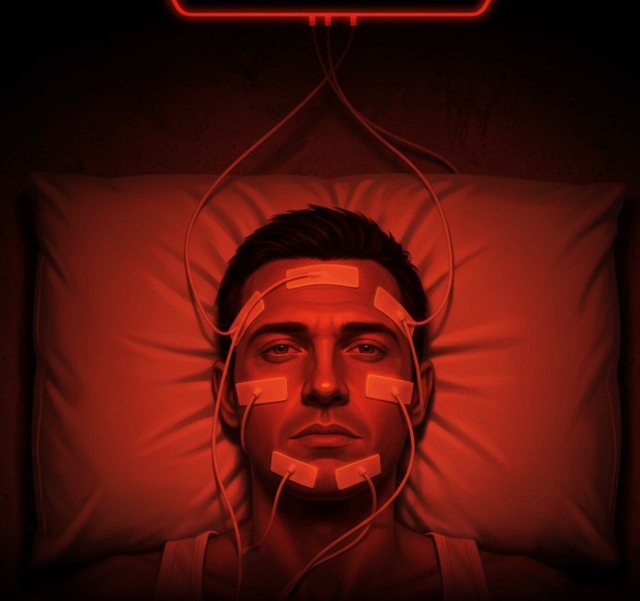
Researchers at Stanford have created a new artificial intelligence, called SleepFM, which can show a person's risk of developing over 100 diseases, just by analyzing a single night of sleep.
The program analyzes data such as brain activity, heart rate, breathing, and body movements during sleep. It was trained with data from tens of thousands of patients and hundreds of thousands of hours of sleep recordings.
According to researchers, this technology can predict serious diseases such as Parkinson's, dementia, heart problems, stroke, some types of cancer, mental disorders and complications during pregnancy.
Experts explain that warning signs do not come from a single signal, but from discrepancies between body systems, for example when the brain appears asleep but the heart shows signs of stress.
The goal is that in the future, routine sleep analyses can be used to detect health risks early and prevent serious illnesses.


