

CNN: How the case of Vjosa is becoming an example to save the "blue heart" of Europe

2023-08-10 16:20:22
TiranaPost
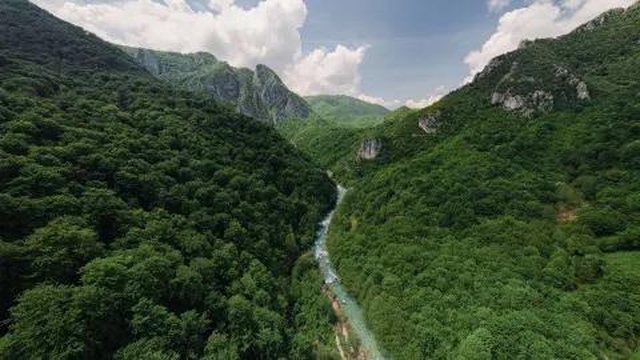
The declaration of the Vjosa River National Park has spurred a campaign across the Balkans to protect wild rivers threatened by hydroelectric dams. The "Save the Blue Heart of Europe" campaign has recently focused on the Neretva River in Bosnia and Herzegovina, where scientists from 17 different countries have gathered these weeks to protect the flora and the fauna of the area where the next hydropower plant is being built.
CNN extensively covers this campaign, as well as the recent example of Albania with the protection of the last wild river in Europe, the Vjosa.
CNN article, adapted from Tiranapost:
The Neretva River with its mesmerizing mix of blue and green colors runs through the forest of Bosnia and Herzegovina from the depths of the Dinaric Alps to the Adriatic Sea. Known as one of the coldest rivers in the world, it is also considered to be home to unique ecosystems and a host of rare species, from trout to salamanders that live in the river's network of caves.
But even this ecosystem is being threatened by hydroelectric dams, where according to the Center for the Environment, a Bosnian organization, more than 50 hydropower projects have been proposed along the length and tributaries of the river. These dams can harm not only the river and its inhabitants, but also the environment that depends on this unique waterway.

In Ulog, a village on Neretva where a 35-megawatt hydropower plant with a 53-meter-high dam is being built, more than 60 scientists from 17 countries around the world gathered this June for "Neretva Science Week". Most of them were as volunteers united in a common goal: To save the Neretva.
The entire Balkans is actually being seen as an untapped resource, full of rivers that, unlike the rest of Europe, have not yet been developed. Initiatives, some funded by the EU, which aims to be climate neutral by 2050, are driving hydropower development across the region. As of 2022, more than 3,300 plants are planned, or under construction in the Balkans, in addition to the 1,700 already operational power plants.
Fushata Save the Blue Heart of Europe thotë se qëllimi i saj nuk është të ndalojë tërësisht hidrocentralet, por të sigurojë që po ndiqet një qasje strikte planifikimi që i jep përparësi ruajtjes së natyrës.
Lumenjtë e egër (dhe rasti i lumit Vjosa)
Ruajtja e një lumi me rrjedhje të lirë mund të sjellë gjithashtu fitore ekonomike përmes zhvillimit të aktiviteteve turistike si rafting, gjuajtje me peshk dhe trekking.

Në fillim të këtij viti, në Shqipërinë e Jugut, ky argument u fitua me sukses në rastin e lumit Vjosa, i cili u shpall Parku i parë Kombëtar i lumit të egër në botë. Lëvizja dha mbrojtjen e më shumë se 248 miljeve (400 kilometra) lumenjsh dhe përrenjsh, duke mbuluar të gjithë gjatësinë e lumit dhe të gjitha degët kryesore të tij. Nëpërmjet turizmit të përgjegjshëm, qeveria shqiptare thotë se do të përfitojnë komunitetet lokale dhe do të ndihmojë në adresimin e shpopullimit në zonë.
The year has brought hope to activists. Already dammed in some parts, the Neretva would not qualify as a wild river national park, but preserving intact stretches is still worthwhile. Although it may be too late to stop the Ulog dam, which is due to begin commercial operation in 2024, there are signs that the campaign could prevent hydropower projects planned for the pristine waters upstream.
Most recently, contracts for 15 small hydropower plants planned for the Neretvica, a tributary of the Neretva, were terminated, and in 2022 the campaign won the support of the Bern Convention, an international agreement for the protection of European fauna and flora.


