


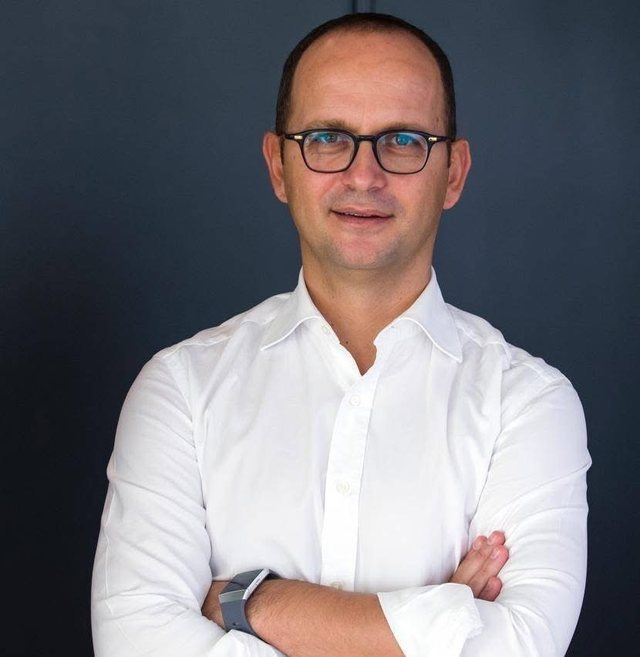
Former Foreign Minister Ditmir Bushati describes the approval of the IBAR report by the European Union as good news for Albania and an important step on the path towards EU membership.
In his response, Bushati evaluates the reforms and efforts made over the years, emphasizing that the integration process requires not only work from governments, but also responsibility and greater political and social unity. He also dwells on the challenges that Albania must meet in the final phase of the negotiations, emphasizing that the country needs more maturity,
humility and commitment to advancing the European objective.
Full post:
The adoption of the Interim Milestone Report (IBAR) in the area of the rule of law by the EU, accompanied by the standards that must be met for the conclusion of membership negotiations, is good news for Albania.
Let us be clear: No country reaches this stage of its path to the EU without great effort. No country gets here simply because of geopolitical alignment or because the EU enlargement process is seen as a strategic necessity, given the ongoing war on the continent. Therefore, the good work and sustainability of the reforms undertaken in this direction should be appreciated.
Likewise, no country becomes a member of the EU without even greater determination and national unity in the final and most defining part of this journey. After all, the conclusion of the negotiating chapters is more challenging and will require greater sacrifices. Viewed in this context, in addition to the assessments, the IBAR also presents a diagnosis of the countless challenges that we must address in a radical way.
In recent months, our path towards the EU has been clouded by a debate that has served no one. On the one hand, the interaction between the Commission and the EU member states was commented on, as if we were spectators and not protagonists of our fate. Interaction, which has also occurred in the past for the launch and conclusion of negotiations for the Stabilization and Association Agreement; for the recommendation for candidate country status; for the launch of negotiations for EU membership. On the other hand, there was talk of a 'blocking of the process'.
Politics returned to the negative instinct, not understanding for the umpteenth time that in this process the governments have the main burden, but the responsibility of the political class is shared. While the merit belongs only to the Albanians who have no doubts about the European path.
There was no shortage of comparisons with Montenegro, which went through this exercise in June 2024 and is now at a more advanced stage, where EU member states are working on drafting the EU accession treaty. It is true that, unlike Montenegro, where the agreement between EU member states on IBAR was reached within two weeks, in the case of Albania it took three months.
It is also true that the list of final milestones in the case of Albania is more challenging than in the case of Montenegro, reflecting a degree of ambivalence about the irreversibility of reforms in Albania. Consequently, in our case we have a shift in approach from political encouragement towards stricter monitoring of the implementation of final milestones, compared to Montenegro.
But any comparison with Montenegro would not change the reality. Neither would a selective reading of the assessments and diagnosis presented by the IBAR and the final milestones. On the contrary, now that we are entering the final phase of our path to the EU, we need even greater work on the quality and speed of reforms. For the standard of everyday life. It is time for humility, maturity and responsibility to put all social potential in the function of implementing our national objective. 🇦🇱🇪🇺


