

Is it really necessary to eat meat? Experts give the answer

2026-05-22 09:55:13
TiranaPost
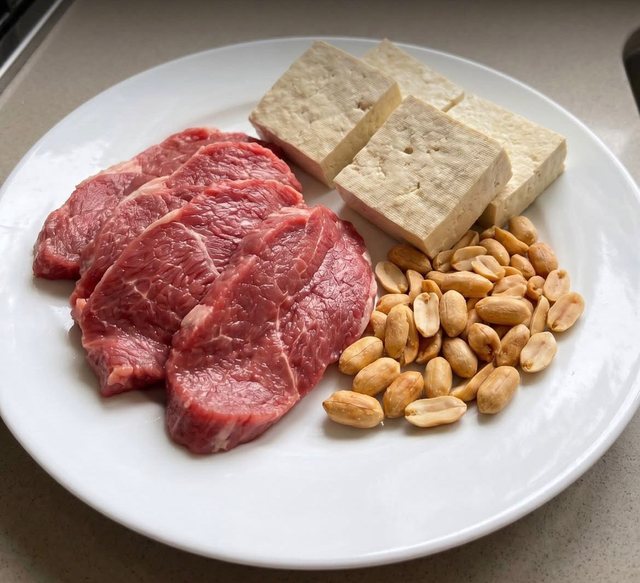
New U.S. dietary guidelines are recommending a higher protein intake, about 1.2 to 1.6 grams per kilogram of body weight. But experts emphasize that more important than the amount is the source of the protein.
According to specialists from the University of California, Davis and New York University, many people are trying to add protein to their diet, but food choices play a key role in health.
Animal proteins such as lean meat, chicken and eggs are considered "complete" sources, as they contain all the essential amino acids, as well as iron and B vitamins. However, experts warn that some types of meat, especially processed ones like bacon, are associated with health risks due to saturated fats and carcinogens.
Fish remains one of the best choices for the heart thanks to omega-3s, while eggs are no longer considered a major risk for heart disease in most people.
On the other hand, experts recommend adding plant-based proteins like lentils, beans, and tofu to your daily diet. These foods are lower in calories and saturated fat, while being rich in fiber, an element that most people don't consume enough of.
Experts also warn against the excessive use of protein powders, which are often ultra-processed foods and do not provide the same nutritional value as natural foods.
According to them, a balanced diet with various protein sources and as natural foods as possible helps not only in recovering the body and strengthening immunity, but also in protecting long-term health.


