

Elon Musk and Jeff Bezos, head to head in the space race

2026-04-28 09:35:42
TiranaPost
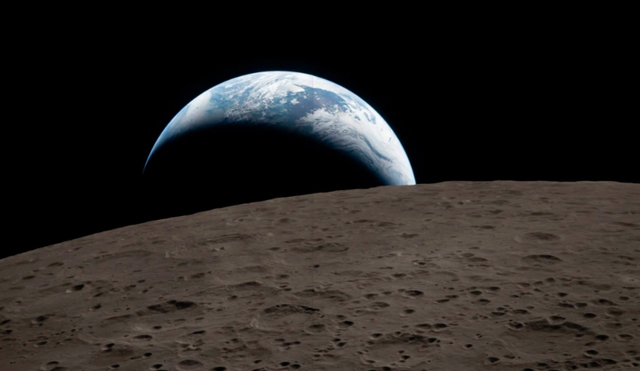
The race to return American astronauts to the Moon is entering a crucial phase, with Elon Musk's SpaceX and Jeff Bezos' Blue Origin competing for NASA contracts that could define the next era of lunar exploration.
It's not just prestige at stake. The winner, or winners, of the next round of contracts for NASA's Human Landing System (HLS) will help determine how the United States will build a sustainable presence on the Moon and prepare for future missions to Mars.
While both companies share the same goal, putting humans back on the lunar surface, their technological trajectories and timelines differ significantly.
Elon Musk and SpaceX's advantage in reusable technology
SpaceX enters this race with a significant operational advantage, built over more than a decade of orbital launches and development of reusable rockets.
The company's Falcon 9 and Falcon Heavy rockets have completed hundreds of missions, with reusable first stages landing regularly on sea platforms and land bases. This pace has allowed SpaceX to improve rapid reusability, reduce launch costs and collect a vast amount of flight data.
At the center of its lunar ambitions is Starship, a giant, fully reusable vehicle designed for deep space missions. The Starship Human Landing System variant, selected by NASA in 2021 for the Artemis program, is built to transport astronauts from lunar orbit to the surface and back again.
At a height comparable to a 15-story building, the Starship HLS represents a major step up from previous lunar landers. It is designed to carry larger payloads and potentially support extended operations on the surface.
SpaceX's Raptor engines, which are evolving into more streamlined v3 versions, aim to improve thrust-to-weight ratios while reducing manufacturing complexity. Continued testing of Starship prototypes, although accompanied by notable launch failures, has accelerated development cycles.
In terms of flight frequency and technology maturity, SpaceX operates on a timeline that puts it at least a decade ahead of any competitor.
Jeff Bezos' Blue Origin's Different Approach
Blue Origin, founded by Jeff Bezos, has followed a more gradual development path. The company achieved the first known suborbital human flights with the New Shepard vehicle and is advancing the New Glenn orbital rocket.
Për programin hënor të NASA-s, Blue Origin drejton një konsorcium që përfshin Lockheed Martin dhe kontraktorë të tjerë të industrisë hapësinore. Mjeti i saj i propozuar, Blue Moon, ndjek një filozofi dizajni që i ngjan elementeve të misioneve të epokës Apollo, me një konfigurim shumëfazësh për të transportuar astronautë nga orbita në sipërfaqe.
Ndryshe nga sistemi i vetëm dhe gjigant i SpaceX, koncepti i Blue Origin thekson modularitetin dhe qasjet klasike të inxhinierisë.
Megjithëse Blue Origin është pas SpaceX për sa i përket ritmit të lëshimeve orbitale, kompania ka zgjeruar në mënyrë të qëndrueshme prodhimin e motorëve dhe infrastrukturën e lëshimeve. Motori BE-4, që fuqizon New Glenn dhe mbështet edhe raketat e United Launch Alliance, përfaqëson një hap të rëndësishëm në zhvillimin e saj teknologjik.
Ekuilibri strategjik i NASA-s
Programi Artemis i NASA-s synon të krijojë një prani të qëndrueshme njerëzore në Hënë, duke filluar me misionin Artemis III. Agjencia ka sinjalizuar interes për të ruajtur konkurrencën mes ofruesve privatë, në vend që të mbështetet vetëm në një kontraktor.
Duke mbështetur më shumë se një sistem uljeje, NASA synon të sigurojë rezervë operative, kontroll të kostove dhe inovacion.
Përzgjedhja e SpaceX për kontratën fillestare HLS shënoi një largim nga praktikat tradicionale të kontraktimit në industrinë hapësinore. Megjithatë, më vonë NASA i dha një kontratë të dytë për ulje hënore ekipit të Blue Origin, duke përforcuar strategjinë e saj me shumë ofrues.
Kjo garë pasqyron një ndryshim më të gjerë drejt partneriteteve publike-private në eksplorimin hapësinor, ku agjencitë qeveritare mbështeten te kompanitë komerciale për kapacitetet e lëshimit dhe uljes.
Shkalla dhe filozofia
Një nga kontrastet më të dukshme mes dy qasjeve qëndron te shkalla.
Starship është projektuar jo vetëm për misione hënore, por edhe për kolonizimin e Marsit dhe transportin masiv të ngarkesave. Madhësia dhe kapaciteti i saj tregojnë vizionin afatgjatë të Musk për zgjerimin ndërplanetar.
Koncepti i Blue Origin është relativisht më i vogël dhe më i fokusuar në misione specifike, duke u përqendruar te besueshmëria dhe zhvillimi gradual i kapaciteteve.
Këto dallime pasqyrojnë filozofitë më të gjera të themeluesve. Musk ka ndjekur vazhdimisht përsëritjen e shpejtë dhe afate agresive, duke pranuar rrezikun e dukshëm për të përshpejtuar zhvillimin.
Bezos ka theksuar përmirësimin gradual të inxhinierisë dhe ndërtimin e infrastrukturës.
Faktori kohë
Koha mund të rezultojë vendimtare.
SpaceX ka kryer disa fluturime testuese të Starship dhe vazhdon të përmirësojë mjetin për operacione orbitale dhe hënore. Edhe pse gatishmëria e plotë për ulje njerëzore kërkon ende testime dhe certifikime të mëtejshme, ekosistemi i saj i ripërdorshëm i lëshimeve tashmë është i konsoliduar.
Blue Origin is earlier in the heavy-lift rocket development cycle. Its progress with New Glenn and lunar lander will determine how quickly it can reach the same operational standards.
The timing of the Artemis missions adds an additional complexity. Delays in the Space Launch System rocket or the Orion spacecraft could impact landing schedules, regardless of which private provider is ready first.
Wider consequences
Beyond the immediate landing on the Moon, the outcome of this race could affect the direction of American leadership in space.
A successful return to the Moon would mark the first time astronauts have set foot there since 1972. It would also signal the maturity of commercial spaceflight as a major engine of exploration.
The rivalry between Musk and Bezos is not just a clash of personalities. It represents two different models of integrating private industry with national space policies.
As NASA advances with the Artemis missions, the Moon has once again become a testing ground, not only for technology, but also for competing visions of humanity's future beyond Earth.
*This article was published by Bota.al and reposted by Tiranapost.al


