


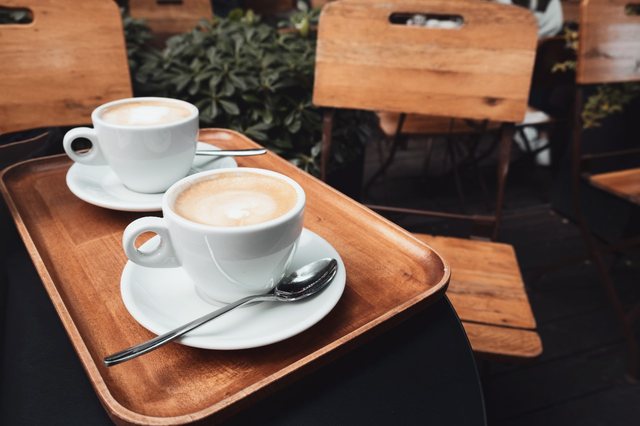
“Come on, let's go for coffee? Are you up for coffee? Let's meet for coffee.”
These are some of the expressions we hear almost every day and which show that a cup of coffee is often the reason that brings us together. We can say that this habit is an important part of our culture, that connects us to each other.
Whether it’s a quick espresso in the morning, a cappuccino or macchiato with colleagues during a break at work, or an after-work meeting with friends, coffee in Albania is not just a drink. It is a social ritual, a little break during the day, a source of energy, but also a spark for conversations and debates. In many ways, it has become part of our daily identity.
A cultural habit, not just a drink
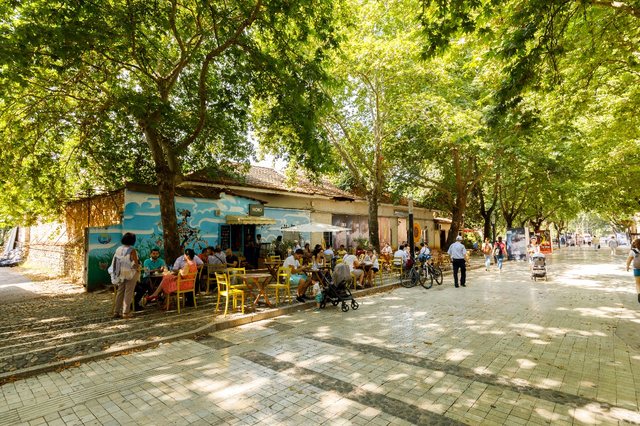
In Albania, “going out for coffee” often doesn’t just mean drinking coffee. It means chatting, sharing ideas, or simply spending time with others. Coffee shops can be found on almost every street and for many people, they have become an extension of their home or workplace. Meanwhile, more and more people are choosing coffee shops as places to work.
According to data, an average Albanian drinks two to three coffees a day, while cities like Tirana are known for having the highest density of coffee shops per capita in Europe. We don't know if this is something to be proud of or a habit we should reconsider.
The good of habit
Coffee, consumed in moderation, can have positive effects on health. Studies show that caffeine can improve concentration, increase energy, and even reduce the risk of certain diseases like Parkinson's and type 2 diabetes. Coffee also contains antioxidants, which help the body fight inflammation and protect cells.
For us, coffee has another benefit: social. A friendly conversation over a cup of coffee can reduce stress, strengthen social bonds, and improve mental well-being, especially in cities like Tirana, where the pace of life is high and most communications happen online.
But "too much" is never good.
However, the excessive habit of drinking a lot of coffee throughout the day can have consequences. High caffeine consumption can cause rapid heartbeat, anxiety, sleep problems or stomach upset. Many young people in Albania start drinking coffee in their teens, which can contribute to caffeine addiction over the years.
Another worrying aspect is the association of coffee with sugar or tobacco. For many people, this is part of the ritual, but their combination significantly increases the health risks.
Towards a healthier balance
The solution lies in moderation and awareness. Doctors advise not to consume more than two cups of coffee a day and to avoid excess sugar.
At the same time, there is growing interest in reduced-risk alternatives, not just for coffee but also for tobacco. Alternative products that heat tobacco instead of burning it significantly reduce exposure to harmful substances such as tar and carbon monoxide. Although not without risks, they can help adult smokers who are unable to quit switch to a less harmful choice.
These alternatives, along with decaffeinated coffee, herbal teas, and sugar-free beverages, help maintain the social ritual without compromising health. Coffee culture itself is changing. Many coffee shops offer locally roasted coffee, plant-based milk, and healthier options. This shows that young people want to preserve the tradition, but adapt it to a more mindful lifestyle.
A tradition to be wisely preserved
Coffee in Albania is more than a habit. It is part of our culture, hospitality, and everyday life. But as life changes and health awareness grows, it is important to preserve this tradition in a balanced way.
Perhaps the future of "coffee culture" in Albania lies not in drinking more, but in consuming it carefully and choosing better alternatives that replace old habits.


