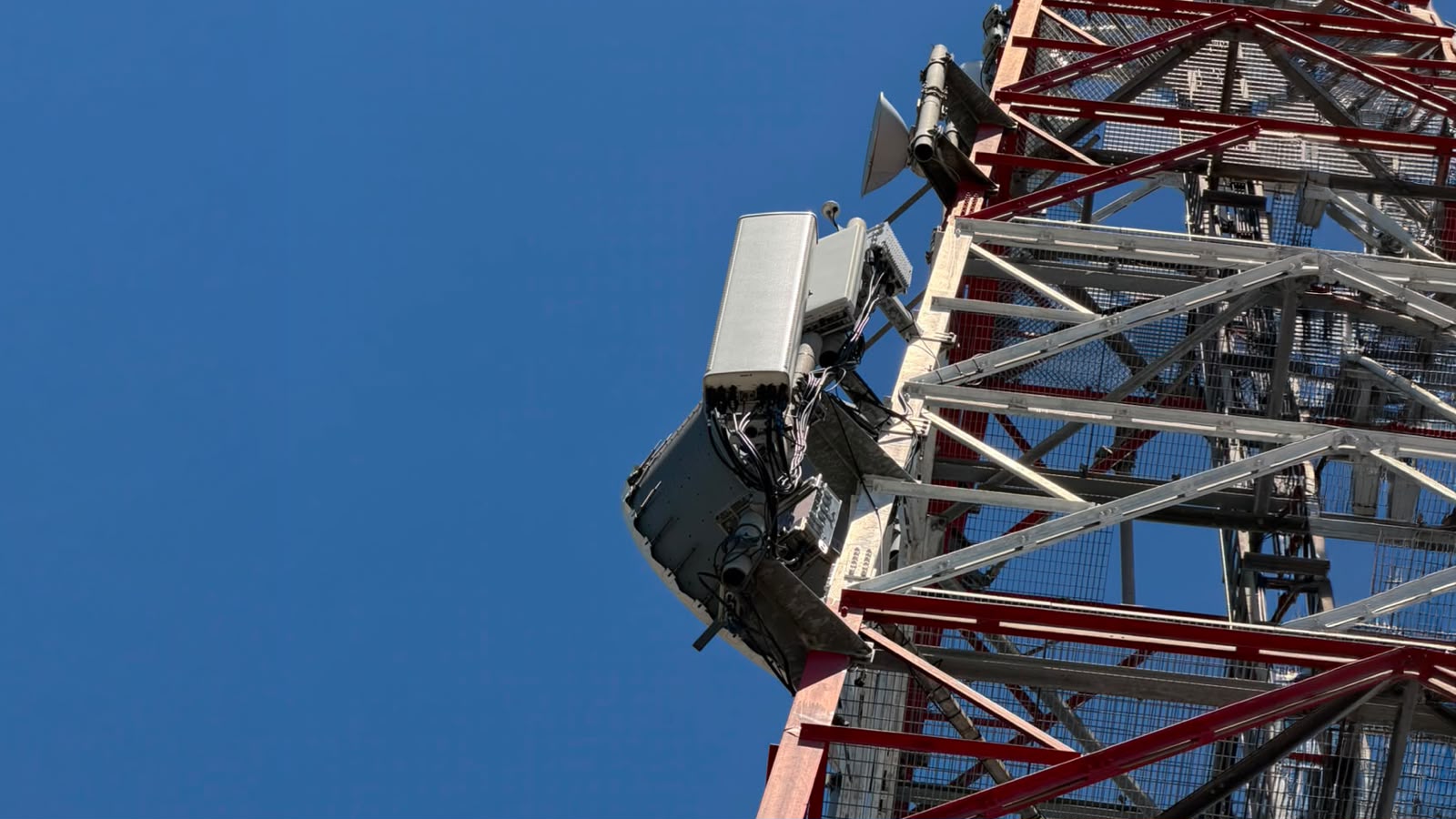
Within every system that seems complex, in the end there is a great simplicity: the human. Today we talk about Artificial Intelligence every day. We hear it at conferences, we read it in the media, we see it in applications. But for most of us, AI continues to remain a concept that is discussed more than experienced. Vodafone Albania is testing a completely different approach. Not by talking about Artificial Intelligence, but by making it an invisible part of our daily lives.
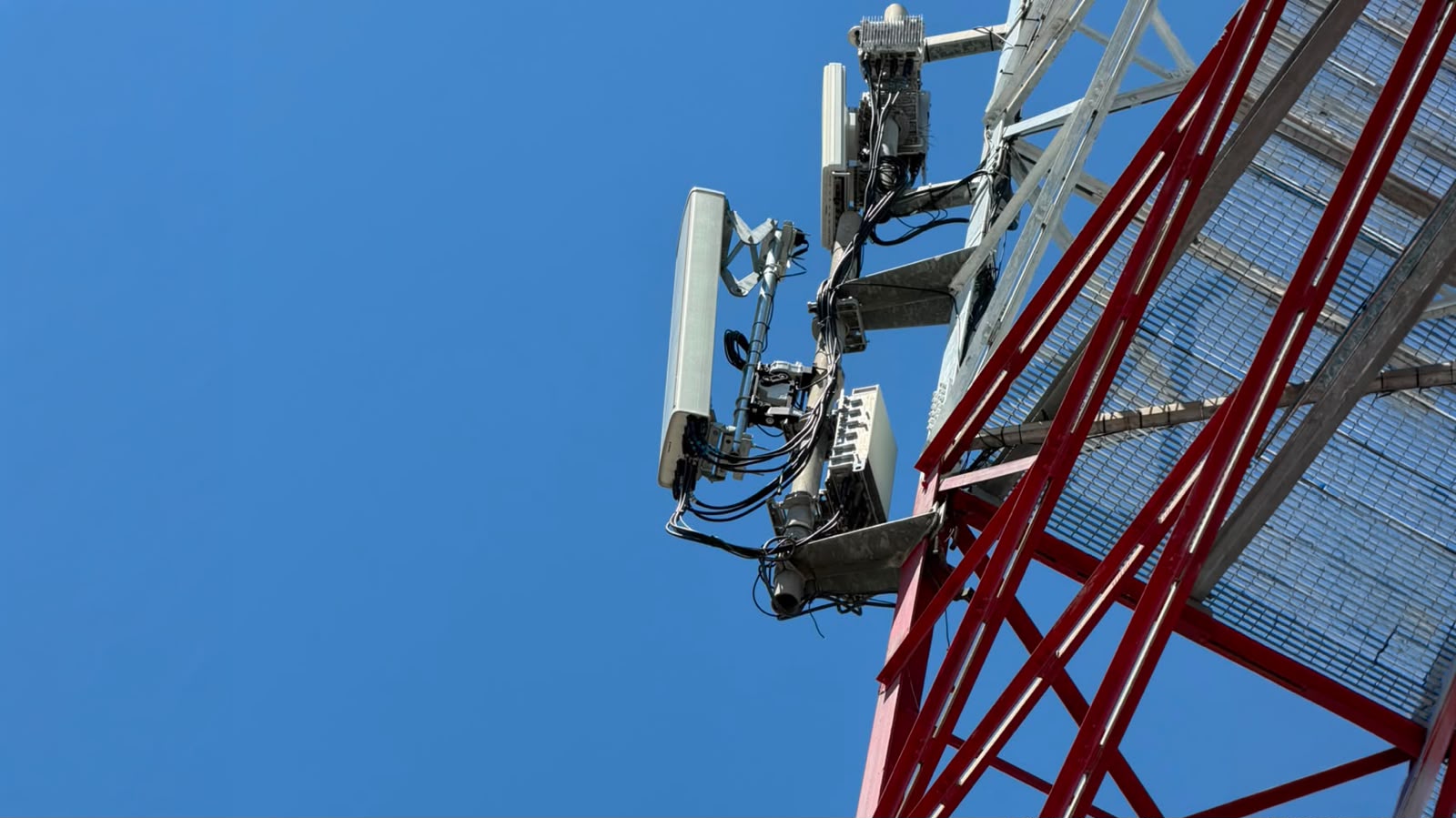
Imagine a cell phone antenna that doesn't just transmit a signal. It constantly "observes" how people move, where internet traffic peaks, and how surrounding conditions change. It then decides on its own to change position, rotating or tilting toward the area where the need is greatest. And it does this without waiting for an engineer to climb the antenna tower.
This is one of the first examples of what the telecommunications industry calls Physical AI : Artificial Intelligence that is not limited to analyzing data, but physically intervenes in the infrastructure to improve network performance without the need for human intervention.
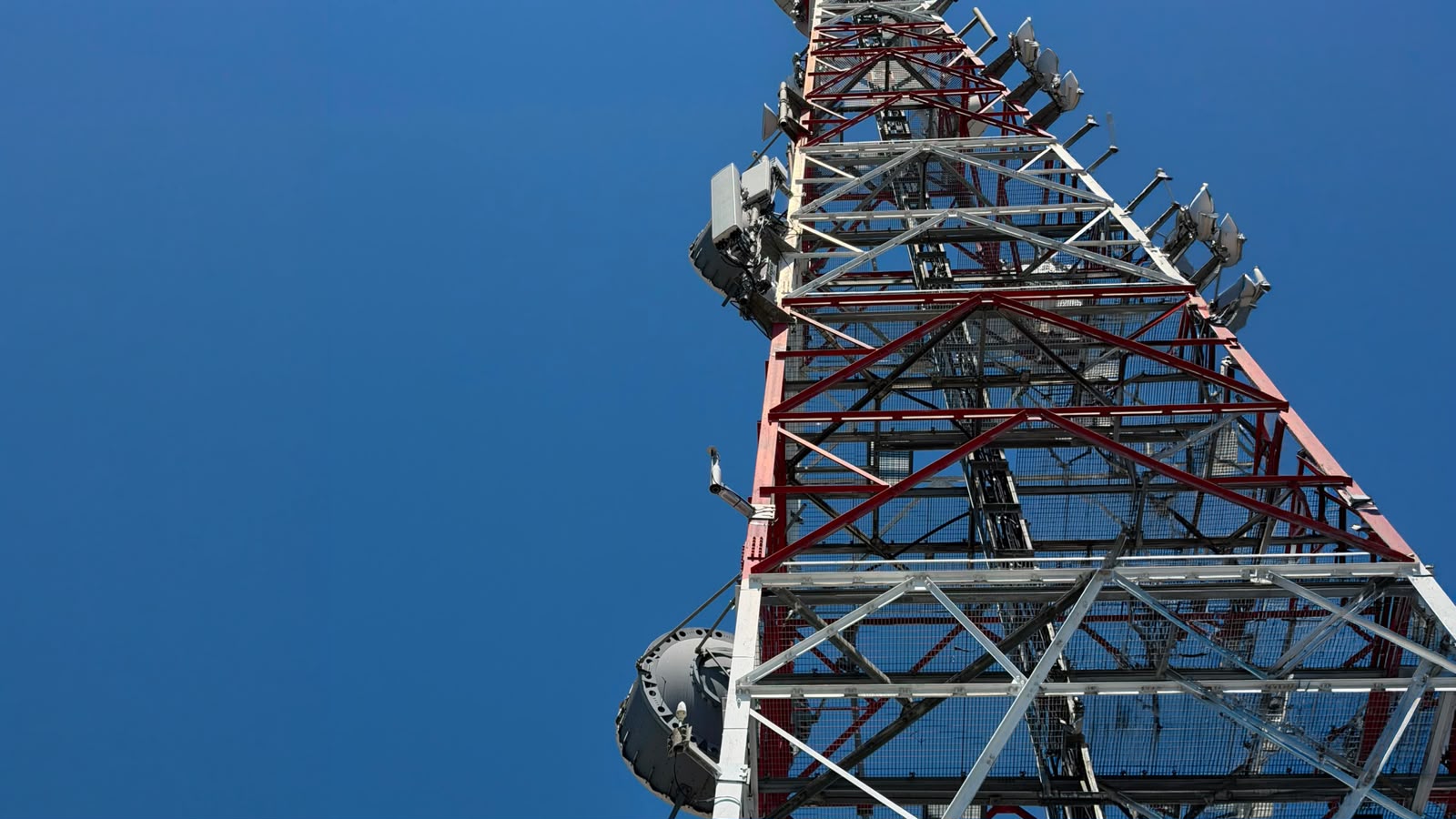
Through a pilot project in Tirana, Vodafone Albania is bringing this technology to the country for the first time. The solution combines an AI-powered "brain" with a robotic arm developed in partnership with HUMAX Networks , capable of rotating and tilting active 4G and 5G antennas in real time, so that the network can constantly adapt to user needs.
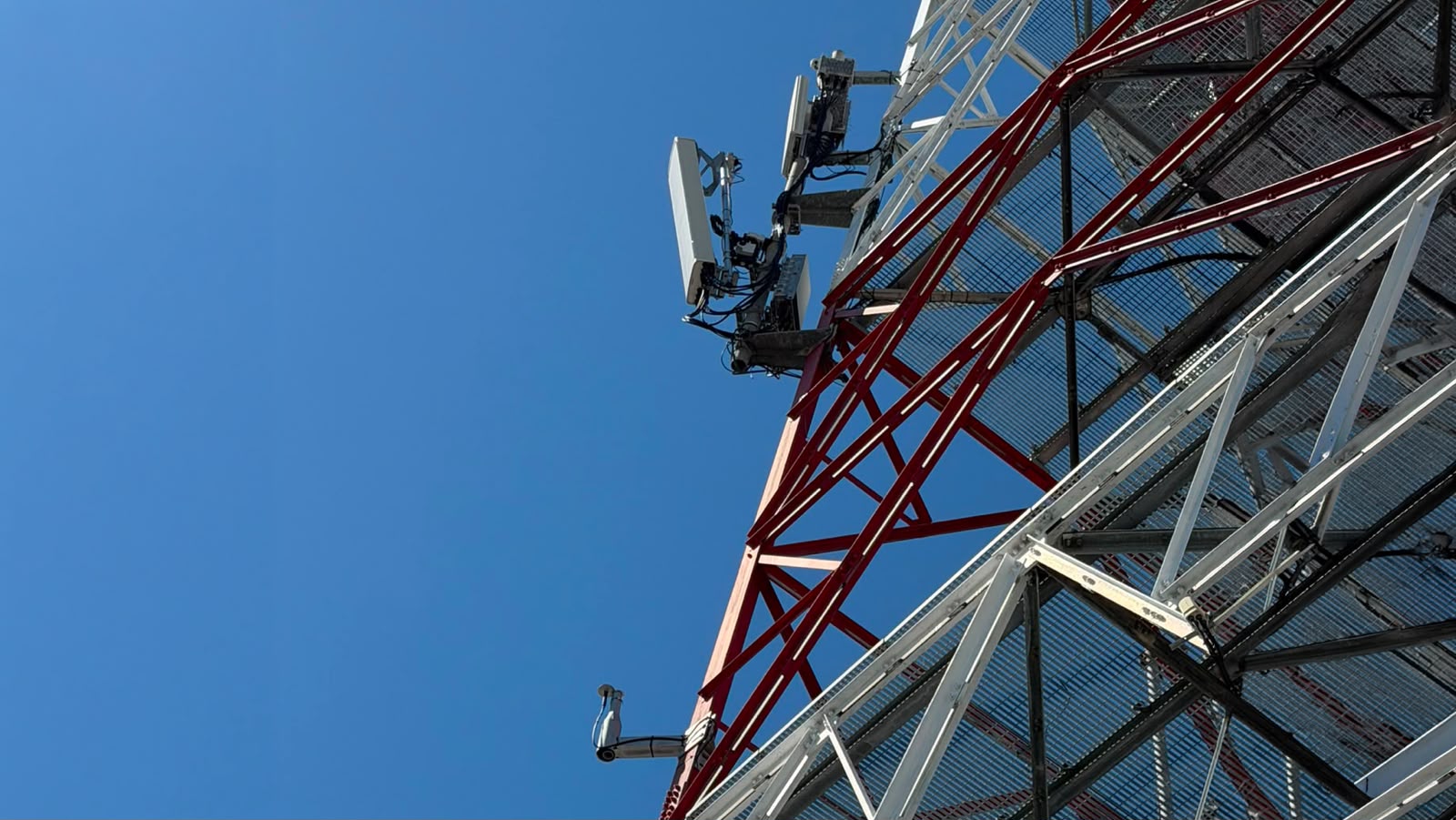
This project is part of Vodafone Group's vision for building autonomous and AI-native networks: networks that no longer wait for human commands, but perceive, learn and adapt on their own.
"By combining Artificial Intelligence, automation and robotics, our network can now dynamically follow user movement and changes in service demand, providing better quality connections and a better experience for customers," said Francisco (Paco) Martin Pignatelli, Director of Mobile Access Engineering at Vodafone.
But what does this mean in practice?
Imagine a Saturday afternoon. First you're at home watching videos, sharing reels with friends, or making a phone call. A little later you're at a concert with thousands of people. Within minutes, the demand for the internet multiplies.
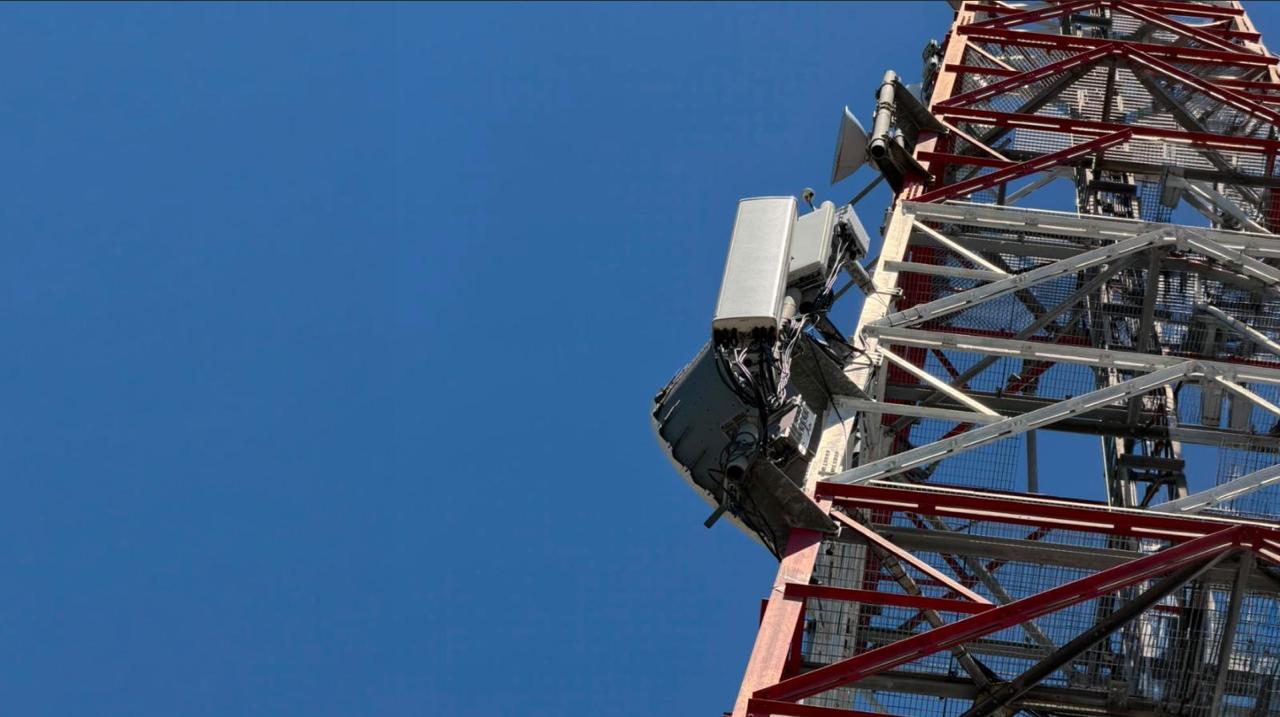
Until now, adapting the network to such situations required manual intervention by Vodafone Albania engineers, who would reconfigure the antennas as needed. It was a process that could take days, even weeks. With the new technology, the same adaptation can happen in just 20–30 minutes.
The system continuously analyzes traffic, predicts where more capacity will be needed, and autonomously instructs the robotic arm to change the antenna position. All while users continue to use the network normally, without interruption and without realizing that a complex optimization process is taking place in the background.
Moreover, the system does not rely solely on traffic data. It also takes into account factors such as weather conditions. If the weather changes or an increase in traffic is predicted in a certain area, the network can adjust in advance, before congestion occurs.
For users, all of this translates into something very simple: more stable internet, better coverage, and a better quality experience. No apps to install. No settings to change. No notifications explaining what's happening. The network simply becomes smarter.
This project is part of Vodafone’s broader strategy to modernize radio area networks (RAN) through open, software-defined architectures. By bringing together Artificial Intelligence, automation and infrastructure digitalization, the company is building the foundations of the next generation of networks: networks that make increasingly intelligent decisions with minimal human intervention.
The trial in Tirana also confirms the increasingly important role that Albania is taking on within the Vodafone Group innovation ecosystem. Following the demonstration of Vodafone Albania’s AI-powered Network Slicing technology in partnership with Nokia, Albania is becoming a place where technologies that will shape the future of connectivity are developed.
Perhaps this is the true meaning of Artificial Intelligence, not to notice it more, but to feel it less, because it works in the background to make everything work better.