
The Palace of Brigades will be opened for tourism, here is how it will be managed

2021-12-20 08:46:48
TiranaPost
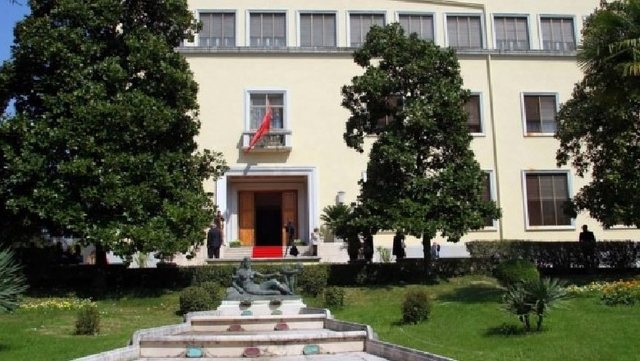
The Palace of the Brigades or as it is known the Royal Villa will be managed with another concept by opening it completely for tourism.
The draft management plan of the Palace of Brigades of the Albanian government envisages that this initiative will be based on the concept of self-financing and in essence the implementation of this plan will be in the hands of an autonomous foundation.
"While the property will remain the property of the Government of Albania, the Ministry of Culture will enable the implementation of the development program, which will significantly improve the protection and promotion of the Palace of Brigades Complex. With the new management structure, we will have a continuous increase of technical, service and administrative staff, who will direct and monitor all activities within this Complex. It is proposed to establish a Foundation, where members will be representatives from the Foundation, the Ministry of Culture, as well as representatives of the Municipality of Tirana and academic authorities, "the document reads.
The same draft management plan underlines that currently the palace is open for special ceremonies as well as for organized groups but not genuinely for open and visitable tourism at any time. Arguing this model with other management models in the world such as Palazzo Pitti, Florence, Italy, Palazzo Strozzi, Florence, Italy, Versailles, Paris, France, Residenz München, Munich, Germany, the Ministry of Culture finds that there is an urgent need for intervention in some part of the space for restorations.
"While some parts of the Brigade Palace Complex, from the findings made, must urgently intervene with restoration projects, where the time and age of its various parts, have caused problems related to water infiltration or with problems of various engineering systems. These projects should already reflect the interplay of the canned part with engineering innovations tailored to old and new functions on the site.
The approach to the drafting of the Management Plan of this complex is based largely on the opinion that assets of this heritage character can and should be an important factor in supporting the development of tourism, public and cultural life, turning it into a mechanism. financial development of employment ”is stated in the draft.
History of the Palace of Brigades
Plani i menaxhimit të Pallatit të Brigadave ndalet në historinë e kësaj ndërtese dhe kompleksitetin që shoqëroi projekti.
“Pallati i Brigadave është një sit i jashtëzakonshëm i trashëgimisë kulturore në qytetin e Tiranës, fryt i arkitekturës së mrekullueshme të viteve 1930-40. Në të vërtetë Pallatit të Brigadave ka 3 emërtime të ndryshme, produkt i fashave historike që ai kapërceu ne fillesën e vet: 1) Vila Mbretërore, 2) Vila e Mëkëmbësit dhe 3) Pallati i Brigadave. Emërtimi “Pallat i Brigadave” është emërtimi i fundit i përdorur tashmë nga të gjithë dhe nuk lidhet aspak me funksionin primar për të cilin u projektua dhe u ndërtua. Ky emër u përdor gjatë periudhës së diktaturës komuniste, pas mbarimit të Luftës së Dytë Botërore, dhe vjen për shkak të prezencës së Shtabit të Përgjithshëm Nacional-Çlirimtar ne momentet e fundit të luftës në këtë kompleks.
Por historia e tij lidhet ngushtë me kërkesën e Ahmet Zogut për të pasur një Pallat dedikuar atij dhe familjes së tij. Ndaj që në Planin e Parë të zgjerimit të Tiranës në vitet 1925-27, të hartuar nga arkitekti italian Armando Brasini, kur Zogu ishte president, hidhet ideja e vendosjes së një Pallati Presidencial në fund të Bulevardit të Ri, i cili do të mbushte ballinën fundore të këtij Bulevardi, pra aty ku sot ndodhet Universiteti Politeknik i Tiranës.
Gjatë Planit të Dytë Rregullues të Tiranës, ne vitet 1928-1930, pas shpalljes së Monarkisë, me kompleksin fundor dedikuar Zogut u mor Florestano Di Fausto, arkitekti italian i cili sapo kishte realizuar ansamblin e ministrive dhe të Bashkisë së qytetit ne Sheshin Skënderbej. Kompleksi mbretëror përbehej nga 3 ndërtesa: Pallati Mbretëror, Vila e Princeshave dhe Vila Mbretërore. Kompleksi Mbretëror në volumetri dhe ne gjuhë arkitektonike ndryshonte nga ai i paraqitur më parë nga Brasini, nga i cili u mbajt vetëm ideja e pozicionit të këtij kompleksi. Gjuha arkitektonike e përdorur ishte e ngjashme me atë të ministrive ne Sheshin Skënderbej, pra një gjuhë neoklasike eklektike. Varanti i fundit i paraqitur prej tij mban vitin 1936.
Për shkak të financave të mëdha që kërkonte ky kompleks, Ahmet Zogu vendosi të ndërtojë fillimisht Vilën Mbretërore, pra atë që ne trashëgojmë. Zogu e sposton kompleksin mbretëror në fillim të vitit 1937 në majën e kodrës së Mulletit, me 1.2 km ne vijë ajrore në krahun lindor nga pozicioni ku Florestano Di Fausto e pat pozicionuar. Këtë herë Zogu ja beson projektin e tij Giulio Bertë, një tjetër arkitekt Italian prezent në Shqipëri, i cili në atë moment ishte eksponenti teknik më i lartë në Shqipëri në fushën e ndërtimit.
Në 1939-n pallati u transformua në Selinë e mëkëmbësisë së mbretit italian. Në vitin 1939 ndryshimi i vilës në seli të mëkëmbësisë solli një ndryshim në projekt.
The construction of the palace was completed in 1941 by the Italians, who stationed there the headquarters of their army. Although built for the Albanian king, Ahmet Zogu, the palace has served as a royal residence only once, for an Italian king, Victor Emmanuel III. "For the rest of the period, until the Italians left Albania, it served as the Albanian residence of the King's Viceroy, first Jakomon and later General Parian," the document reads. / Monitor /