


After Hungary, the European Union's attention is shifting towards Bulgaria and Romania, countries that, according to an analysis by The Economist magazine, are emerging as Europe's new "problems" due to the rise of Eurosceptic populism and the strengthening of figures with friendly attitudes towards Russia.
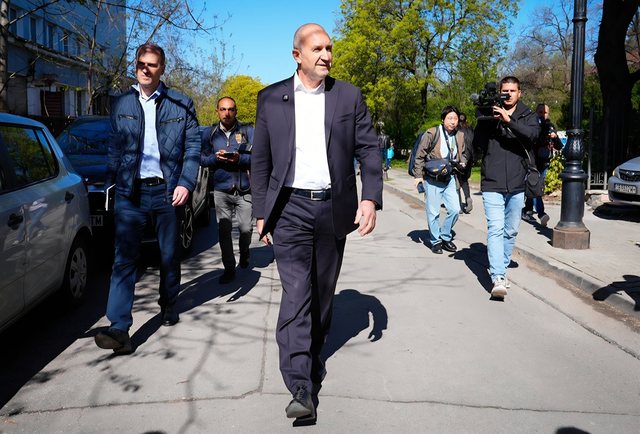
In Bulgaria, Rumen Radev was sworn in as prime minister on May 8, after winning parliamentary elections in April. He is considered a populist politician with close ties to Moscow and during the campaign promised to fight corruption and traditional political elites. His victory comes after years of political crisis and repeated elections that have exhausted the Bulgarian electorate.
Meanwhile in Romania, the political situation is equally tense. The liberal prime minister was ousted in a no-confidence motion supported by both the center-left Socialists and the right-wing nationalist AUR party, which is gaining ground amid popular discontent over inflation, living costs and the economic crisis.
According to the analysis, corruption and inflation are becoming the main factors fueling the rise of anti-EU and anti-establishment forces in Southeast Europe. In both countries, a large proportion of citizens feel disillusioned with traditional parties and are looking for radical alternatives.
The article also touches on the stances towards the war in Ukraine. Radev has criticized the continuation of arms shipments to Kiev and sanctions against Russia, arguing that they are damaging the European economy. These statements have raised concerns in Brussels, at a time when the European Union is struggling to maintain unity in the face of Moscow.
The analysis warns that, while Viktor Orban's Hungary appears to have lost its role as the EU's main challenger, Bulgaria and Romania could become the new source of political tensions within Europe.


