A study published in the scientific journal Physiology has raised a new hypothesis about the behavior of some cells after the death of an organism. According to the study's authors, biologists Peter Noble and Alex Pozhitkov, some cells may transition into what they describe as a "third state," between life and death.
Researchers explain that not all cells die immediately with the organism. Under special laboratory conditions, some of them can adapt, reorganize and form new structures with different functions.
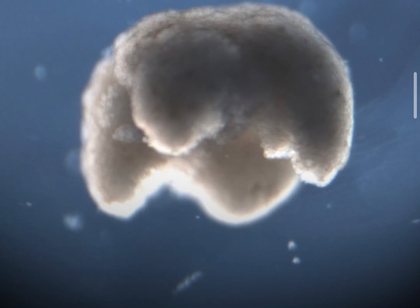
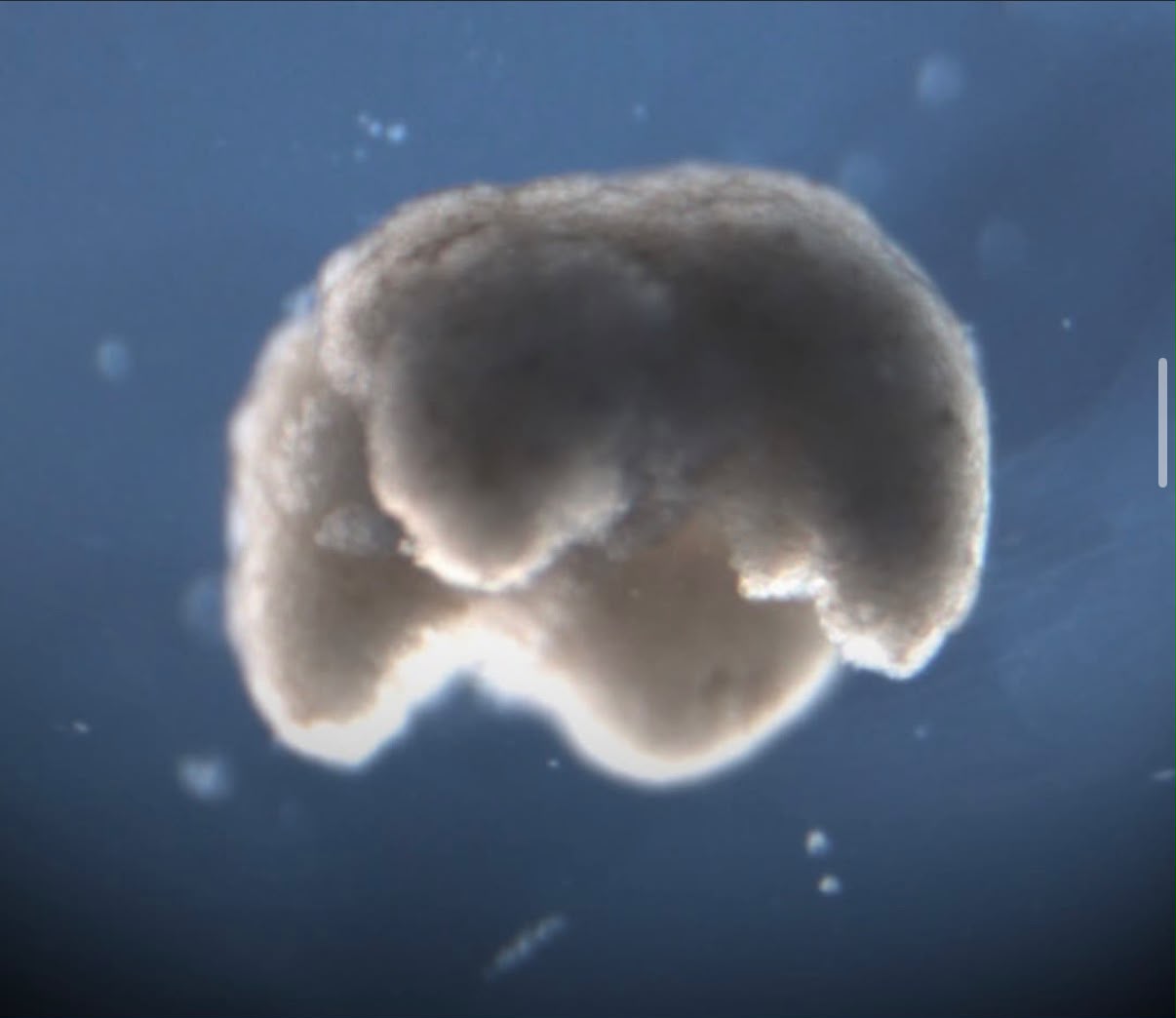
One of the most famous examples is xenobots, created from skin cells from frog embryos. In the lab, these cells self-organized into microscopic structures that were able to move, repair damage, and even make copies of themselves by reorganizing other cells.
A similar phenomenon has been observed in anthrobots, structures created from human lung cells, which have shown the ability to move and help repair nerve cells in laboratory conditions.
However, the researchers emphasize that the "third state" is not an officially accepted category in biology, but a scientific concept proposed to describe this unusual behavior of cells. These experiments were conducted only in the laboratory and do not mean that organisms can be brought back to life after death.
According to the authors, the discovery could open new perspectives for regenerative medicine, creating opportunities for such biological structures to be used in the future for drug delivery, repair of damaged tissues, and other innovative treatments.