


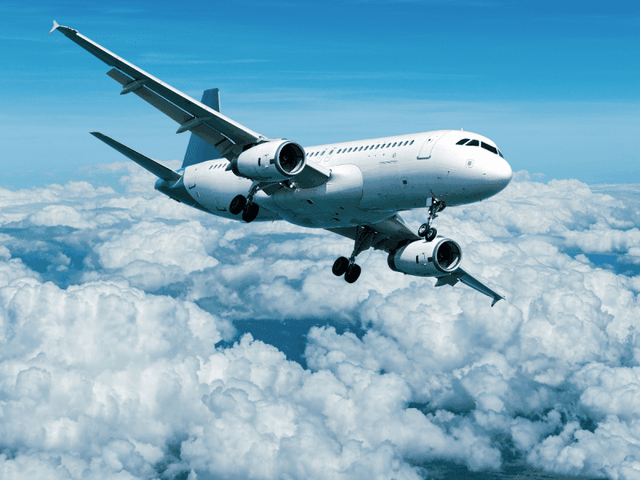
Mercury is a substance that is not allowed to be transported on airplanes for serious safety reasons. Although it may seem harmless at first glance, this liquid metal poses serious risks to both the structure of the aircraft and the health of the people on board.
Modern aircraft are built primarily from aluminum alloys. Mercury has the ability to chemically react with aluminum, weakening it and compromising the material's durability. This process can damage important structural parts of the aircraft, increasing the risk of in-flight accidents.
Another serious problem is that mercury is extremely difficult to clean up. When spilled, it breaks up into very small droplets that can easily roll under seats, into cracks, or inside aircraft panels. This makes cleanup complicated and time-consuming.
Over time, mercury releases toxic fumes. In a confined environment like an airplane cabin, these fumes can become very dangerous for passengers and crew. For this reason, any potential spill requires strict safety measures.
The cleaning process often forces airlines to take aircraft out of service for long periods, causing huge costs and flight disruptions.
Because of all these risks, airlines and aviation safety authorities have put in place strict regulations that prohibit or restrict the transport of mercury. These measures are essential to ensure passenger safety and the integrity of aircraft.
This case clearly shows that even small materials can create major safety problems in aviation.
In the video, an example of how Mercury reacts to Aluminum


